
The Allure of the Sunshine State: A Coastal Investment Dream
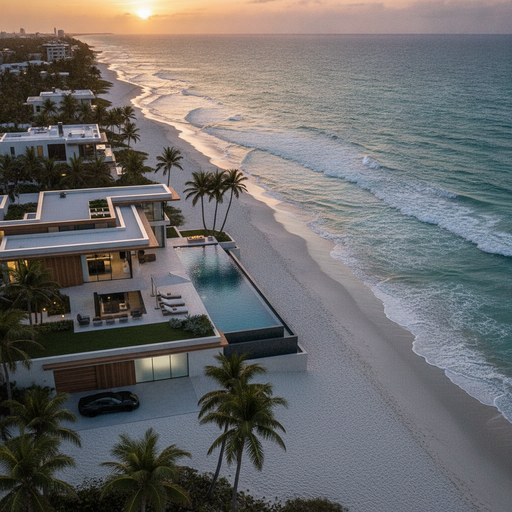
Imagine waking up to the sound of rhythmic waves crashing against the shore, the smell of salt air drifting through your window, and the warm Florida sun painting the horizon in hues of orange and pink. For many, this is the ultimate vacation fantasy. For the savvy investor, however, this scene represents something far more lucrative: a high-performing asset in one of the most resilient real estate markets in the world.
Florida’s coastline stretches for over 1,350 miles, offering a diverse array of investment opportunities ranging from high-rise luxury condos in Miami to quaint beachfront cottages in the Panhandle. But investing in coastal real estate isn’t just about buying a beautiful view; it’s about understanding the unique mechanics of the Florida market. In this guide, we will walk through the essential strategies, risks, and rewards of securing your piece of the Florida coast.
SUBMIT YOUR DETAILS FOR
Why Florida? The Macro-Economic Magnet
Before diving into specific zip codes, it is important to understand why Florida continues to outperform other states. Over the last decade, Florida has seen a massive influx of new residents, often referred to as the “Great Migration.” Tax-friendly policies, a robust job market, and, of course, the climate have made it a top destination for retirees and remote workers alike.
From an investment perspective, this population growth creates a permanent floor for housing demand. Unlike purely seasonal markets, Florida’s coastal cities are becoming year-round hubs. When you combine this with the limited supply of buildable land near the water, you get a recipe for long-term capital appreciation. Investing here isn’t just a short-term play; it’s a generational wealth-building strategy.
Choosing Your Coast: Atlantic vs. Gulf
One of the first decisions an investor must make is which side of the peninsula to call home. While both offer stuing water views, they cater to different demographics and investment goals.
The Atlantic Coast: Fast-Paced and Global
The Atlantic side, stretching from Jacksonville down to the Florida Keys, is known for its energetic atmosphere and deep-water access. Cities like Miami and Fort Lauderdale are international gateways, attracting investors from South America, Europe, and beyond. Here, the investment style often leans toward luxury high-rises and short-term rentals that cater to the “work-hard, play-hard” crowd. The surfing culture in places like Cocoa Beach and the historical charm of St. Augustine also provide niche markets for boutique vacation rentals.
The Gulf Coast: Calm Waters and High ROI
The Gulf of Mexico side, featuring gems like Sarasota, Naples, and Clearwater, is often characterized by its calm, turquoise waters and white, powdery sand. This coast typically appeals to families and retirees looking for a more relaxed pace. From an investment standpoint, the Gulf Coast often sees higher demand for seasonal “snowbird” rentals. Areas like Destin and 30A in the Panhandle have become some of the most profitable short-term rental markets in the country, with high occupancy rates during the summer months.
Understanding Rental Strategies: Short-Term vs. Long-Term
How you choose to manage your property will significantly impact your Return on Investment (ROI). In the Florida coastal market, you generally have two paths:
- Short-Term Vacation Rentals (STR): Using platforms like Airbnb or VRBO. These properties often generate significantly higher gross revenue, especially in “tourism magnets.” However, they require more active management, higher maintenance costs, and are subject to local municipal regulations.
- Long-Term Rentals (LTR): Catering to the growing number of local professionals. While the monthly cash flow may be lower than an STR, the stability is much higher. You avoid the “off-season” lull and have lower turnover costs.
The key is to check local zoning laws before you buy. Some coastal communities in Florida have strict “30-day minimum” stay requirements, which can instantly kill a short-term rental business model if you aren’t prepared.
The Elephant in the Room: Insurance and Climate Resilience
Investing in coastal property requires a realistic look at the environmental factors. Florida’s beauty comes with the risk of hurricanes and rising sea levels. This has led to a complex insurance landscape. As an investor, you must factor in the “Triple Threat” of costs: Homeowners Insurance, Flood Insurance, and Windstorm Insurance.
To mitigate these risks, look for properties built after 2002, when Florida implemented much stricter building codes. Properties with impact-resistant windows, reinforced roofs, and elevated foundations not only survive storms better but also command lower insurance premiums. Modern construction is your best friend when it comes to protecting your bottom line.
Key Markets to Watch in 2024 and Beyond
While the entire state shows promise, a few specific regions are currently standing out for coastal investors:
- The Space Coast (Melbourne/Cocoa Beach): With the private space industry booming (SpaceX, Blue Origin), this area is seeing massive job growth and remains more affordable than South Florida.
- The Forgotten Coast (Port St. Joe/Apalachicola): For those looking for “Old Florida” vibes and lower entry prices, this area offers high growth potential as more people flee the crowded southern metros.
- Southwest Florida (Fort Myers/Naples): Post-hurricane rebuilding efforts are creating opportunities for investors to buy into modernized infrastructure and resilient new developments.
Financial Plaing: More Than Just a Down Payment
Financing a coastal investment property differs from buying a primary residence. Lenders often require a higher down payment—typically 20% to 30%—for investment properties. Furthermore, “condo-hotels” or properties in high-risk flood zones may require specialized lenders.
When calculating your potential ROI, always use the “1% Rule” as a starting point, but don’t forget to subtract the “coastal premium” for maintenance. Salt air is corrosive; expect to spend more on HVAC repairs, exterior painting, and landscaping than you would for an inland property. A successful investor always keeps a healthy reserve fund for these inevitable costs.
Conclusion: The Long-Term Horizon
Investing in Florida coastal housing is not a “get rich quick” scheme. It is a sophisticated play on demographics, lifestyle trends, and geographic scarcity. By choosing the right location, understanding the regulatory landscape, and building a resilient property, you can turn the Florida sun into a steady stream of passive income.
As the saying goes, “They aren’t making any more coastline.” Owning a piece of the Florida shore puts you in an exclusive club of property owners who benefit from one of the most desirable climates on earth. With due diligence and a clear strategy, your coastal investment can provide both a personal sanctuary and a powerful engine for financial freedom.