
The Soul of the Modern Home Starts on the Outside
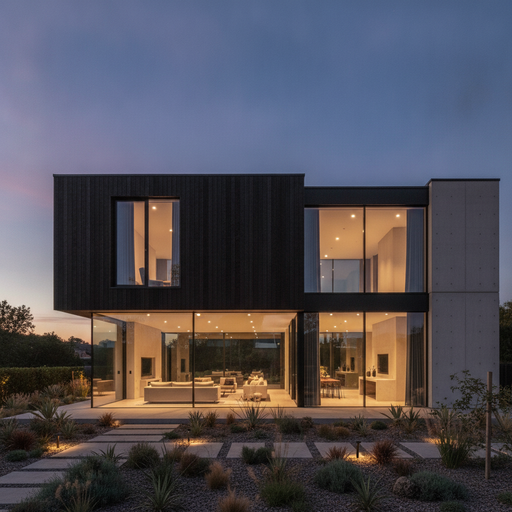
Imagine you are walking through a quiet, upscale neighborhood. On either side of the street, you see rows of houses that look almost identical—traditional red brick, beige vinyl siding, and white window trims. Then, you round the corner and see something that stops you in your tracks. It is a house that doesn’t just sit on the land; it belongs to it. It features dark, charred wood that shimmers in the sunlight, juxtaposed against sleek, cool-to-the-touch zinc panels and floor-to-ceiling glass that reflects the shifting clouds.
SUBMIT YOUR DETAILS FOR
This is the power of custom exterior materials. In modern architecture, the facade is no longer just a protective shell designed to keep the rain out. It is a canvas for self-expression, a statement of sustainability, and a high-tech barrier that defines the character of the home. If you are plaing to build or renovate a modern home, choosing the right “skin” is perhaps the most critical decision you will make. Let’s dive deep into the world of bespoke exterior finishes that are redefining the skyline of residential design.
The Charred Elegance of Shou Sugi Ban
One of the most captivating trends in modern home design actually dates back centuries. Shou Sugi Ban, or Yakisugi, is a traditional Japanese method of charring cedar wood to preserve it. In a world of plastic and composite materials, this ancient technique has made a massive comeback because of its unique texture and incredible durability.
The process involves burning the surface of the wood to a charcoal state. While it might seem counterintuitive to set your house siding on fire, the carbonization layer actually makes the wood fire-resistant, insect-repellent, and waterproof. From a storytelling perspective, a Shou Sugi Ban home tells a tale of resilience and natural beauty. The deep black, “alligator skin” texture provides a moody, sophisticated look that changes its hue depending on how the sun hits it. It is perfect for those who want a home that feels organic yet avant-garde.
Metallic Mastery: Zinc, Copper, and Corten Steel
If wood represents the earth, then metal represents the industrial precision of the modern era. However, modern custom metal cladding is far from the corrugated sheds of the past. Architects are now turning to “living” metals that evolve over time.
Zinc is a particular favorite among luxury builders. It is highly malleable, allowing it to be wrapped around curved walls or folded into intricate geometric patterns. What makes zinc truly special is its patina. Over years of exposure to the elements, zinc develops a soft, blue-grey protective layer that heals its own scratches. It is a material that grows old gracefully, requiring almost zero maintenance for up to a century.
For those who want a more “rugged” aesthetic, Corten Steel (or weathering steel) is the go-to choice. It is designed to rust on the surface, creating a rich, orange-brown crust that actually prevents further corrosion. A Corten-clad home looks like a piece of sculpture, standing out boldly against green landscapes or desert sands.
Thermally Modified Wood: Nature Enhanced by Science
Many homeowners love the warmth of wood but fear the warping, rotting, and constant staining that comes with it. This is where thermally modified wood enters the scene. This isn’t your standard lumber; this is wood that has been “cooked” in a specialized vacuum kiln at temperatures exceeding 400 degrees Fahrenheit.
This heat treatment changes the molecular structure of the wood—removing the sugars and resins that insects love to eat and that moisture loves to cling to. The result is a stuing, caramel-toned timber like Ash, Pine, or Spruce that is as stable as a tropical hardwood but harvested from sustainable, domestic forests. In a modern home, using long, horizontal planks of thermally modified ash can create a “linear” look that emphasizes the width of the structure, making the home feel grounded and expansive.
High-Pressure Laminates (HPL) and Fiber Cement
Sometimes, the vision for a modern home requires a pop of color or a texture that nature simply doesn’t provide. High-Pressure Laminate (HPL) panels, such as those made by brands like Trespa, offer an incredible range of custom finishes. These panels are made by compressing wood fibers and thermosetting resins under intense heat and pressure.
The beauty of HPL is its versatility. You can have panels that look like Italian marble, brushed aluminum, or even vibrant matte colors that won’t fade under the harshest UV rays. Similarly, modern fiber cement has evolved. No longer just “fake wood” planks, fiber cement now comes in large-format architectural panels with visible rivets and raw, concrete-like textures. These materials are the workhorses of the modern facade—tough, fireproof, and sleek.
The Transparency of Glass and Polycarbonate
In modern architecture, the goal is often to blur the line between the interior and the exterior. While large panes of high-performance glass are standard, designers are getting more creative with custom glazing. This includes “smart glass” that tints electronically with an app, or chael glass which provides a frosted, translucent look that glows like a lantern at night.
For a more industrial or experimental vibe, some modern homes are utilizing multi-wall polycarbonate panels. These are lightweight, offer great insulation, and diffuse light beautifully. Imagine a garage or a studio wing of a house that glows softly from the inside out—it adds a layer of mystery and light that traditional solid walls simply caot match.
The Art of the Mix: Creating Contrast
The secret to a truly stuing modern home isn’t just picking one great material; it’s about how you mix them. This is where the storytelling truly comes alive. A common strategy among top architects is the “Heavy vs. Light” approach.
- The Foundation: Use heavy, textured materials like board-formed concrete or dark stone on the ground level to give the home a sense of permanence.
- The Upper Levels: Use lighter materials like cedar slats or white aluminum panels for the second story to make the house feel like it is floating.
- The Accents: Use a “statement” material, like a single wall of Shou Sugi Ban or a copper-clad entrance, to draw the eye to the most important part of the house.
Texture layering is another key technique. When you place a smooth, polished metal panel next to a rough, hand-stacked stone wall, both materials look better because of the contrast. The metal looks sleeker, and the stone looks more organic. This visual friction is what gives custom modern homes their “wow” factor.
Sustainability: The New Luxury
In today’s world, a home can’t truly be modern if it isn’t sustainable. Custom exterior materials are at the forefront of the “green” building revolution. From reclaimed barn wood that carries a piece of history to recycled aluminum siding that can be melted down and reused in 100 years, the choices we make today impact the environment of tomorrow.
Many modern homeowners are now looking for “cradle-to-cradle” materials. This means investigating where the material came from, how much energy it took to make, and what happens to it when the building is eventually demolished. Choosing a durable material like zinc or thermally modified wood is a sustainable choice because it reduces the need for replacement and chemical treatments over the home’s lifespan.
Conclusion: Crafting Your Legacy
Choosing custom exterior materials for your modern home is about more than just “curb appeal.” It is about deciding how your home will interact with the light, how it will weather the storms, and how it will feel to the touch when you walk through the front door. Whether you choose the ancient, fire-kissed texture of Shou Sugi Ban, the high-tech precision of HPL panels, or the living patina of zinc, you are doing more than building a house—you are crafting a legacy.
The most successful modern homes are those that reflect the personality of the people living inside. Don’t be afraid to be bold, to mix textures, and to choose materials that tell a story. After all, the exterior of your home is the first chapter of your story that the world gets to read. Make it a masterpiece.