
The Heart of the Home Starts at the Door
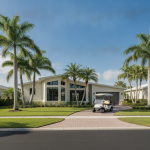
Imagine pulling into your driveway after a long day at work. You see the low, horizontal silhouette of your ranch-style home, a classic piece of American architecture that promises comfort and simplicity. But as you step through the front door, does the interior greet you with that same sense of ease? For many ranch home owners, the entryway is a bit of a design puzzle. Because these homes often feature open-concept layouts, the front door frequently opens directly into the living room or dining area, leaving little room for a traditional foyer.
SUBMIT YOUR DETAILS FOR
The beauty of a ranch home lies in its accessibility and its coection to the outdoors. However, without a clearly defined entryway, the house can feel like it’s missing a transition zone—a place to shed the weight of the outside world before stepping into the sanctuary of the home. Designing a ranch home entryway isn’t just about aesthetics; it’s about creating functionality and a sense of “arrival” where one might not naturally exist. In this guide, we will explore how you can use clever design, intentional furniture choices, and a bit of storytelling to turn your ranch entryway into a stuing focal point.
Creating a “Zone” in an Open Floor Plan
The most common challenge in a ranch-style house is the lack of a formal mudroom or foyer. You walk in, and suddenly, you’re in the middle of the sofa and the TV. To fix this, you need to create a visual boundary. You don’t need to build walls to achieve this; you simply need to define the “zone.”
One of the most effective ways to do this is through flooring transitions. If your main living area is carpeted or has hardwood, consider installing a small section of durable tile or patterned stone right at the entrance. Not only does this protect your floors from mud and rain, but it also sends a psychological signal that “this is the entry.” If a full floor renovation isn’t in the cards, a high-quality, oversized area rug can perform the same magic. Look for something with texture—perhaps a jute or sisal rug for a coastal ranch feel, or a bold Persian ruer for a more traditional look.
The Power of the Console Table
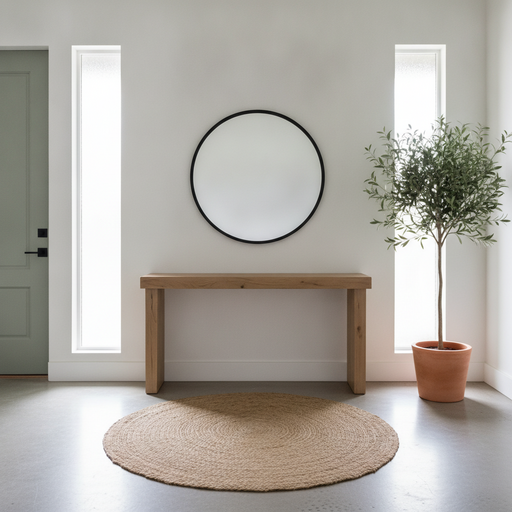
If you have a bit of wall space adjacent to the door, a console table is your best friend. In a ranch home, the furniture should reflect the house’s linear nature. A long, narrow console table acts as a physical barrier between the door and the living room. It provides a surface for “landing” items like keys, mail, and sunglasses. To make it feel like a designed space, hang a large circular mirror above the table. Mirrors are a secret weapon in ranch homes; they reflect light from the large windows typical of this architectural style, making the entrance feel airy and expansive.
The Functional Mudroom Nook
For families, a ranch entryway needs to do more than just look pretty; it needs to work hard. If your front door opens into a hallway or a wider space, consider installing a built-in mudroom nook. This is a classic ranch home upgrade that adds immense value. You can achieve this look with custom cabinetry or a high-end DIY approach using modular shelving.
- Bench Seating: A sturdy wooden bench provides a place to sit while putting on shoes. Choose a bench with hidden storage underneath to keep those unsightly sneakers out of view.
- Wall Hooks: Instead of a cluttered coat rack that takes up floor space, install a row of stylish brass or matte black hooks. Arrange them at different heights so children can reach their own jackets.
- Cubby Systems: Use baskets within cubbies to organize everything from dog leashes to winter scarves. This keeps the visual “noise” to a minimum, which is essential for maintaining the clean lines of a ranch interior.
Making a Statement with the Front Door
In ranch architecture, the exterior and interior are deeply coected. Your entryway design actually begins on the porch. Because ranch homes are often single-story and spread out, the front door can sometimes get lost in the facade. You want your guests to know exactly where the journey begins.
Consider a bold color for your front door. A deep navy, a sage green, or even a vibrant terracotta can make the entry pop. If you want to lean into the Mid-Century Modern roots of many ranch homes, look for a door with asymmetrical glass panes. These allow natural light to flood the interior, which is vital if your entryway feels a bit dark. Upgrading your hardware to something substantial—like a long vertical pull handle—can instantly modernize the entire look of your home.
Lighting: Setting the Mood
Lighting is often an afterthought, but in a ranch home, it’s a crucial design element. Since these homes usually have lower ceilings than modern builds, you have to be strategic. A flush-mount or semi-flush-mount light fixture with a unique design can act as jewelry for your ceiling. Look for materials like brushed gold, seeded glass, or even a woven rattan for a bohemian touch.
If your entryway allows for it, sconces are a fantastic way to add warmth. Placing a pair of sconces on either side of a mirror or a piece of art creates a “gallery” feel. This draws the eye upward and away from the floor, making the space feel more intentional and less like a utilitarian passage. Don’t forget the power of “smart” lighting; setting your entry lights to dim in the evening creates a cozy, welcoming glow that you’ll appreciate every time you walk through the door.
Decorating with a Story
Once the structural and functional elements are in place, it’s time to add the soul. Your entryway should tell a story about who lives in the house. Since ranch homes are often associated with a relaxed, suburban lifestyle, your decor should feel effortless yet curated.
Start with greenery. A tall potted plant, like a Fiddle Leaf Fig or a Snake Plant, adds life and height to the corner of an entryway. If you have a console table, a small tray for “bits and bobs” keeps things organized. Add a scented candle or a diffuser with a signature “home” scent—think linen, citrus, or cedarwood. This creates a sensory experience that defines the transition from outside to inside.
Wall Art and Personal Touches
In many ranch homes, there is one long wall that leads from the door into the rest of the house. Don’t leave it blank. Create a gallery wall that tells your family’s story. Mix framed photographs with architectural sketches or abstract art. The key is to keep the frames consistent in color or style to maintain that clean ranch aesthetic. This wall becomes a conversation starter for guests the moment they step inside.
The Outdoor-Indoor Flow
Finally, remember that a ranch home is designed to flow. Your entryway should bridge the gap between your landscaping and your interior design. If you have a beautiful stone path leading to the door, consider using similar stone elements inside, perhaps in a decorative bowl or a lamp base. Use colors that reflect the natural surroundings of your property. If you’re surrounded by trees, earthy greens and browns will make the entry feel like a natural extension of the yard.
Conclusion: Small Changes, Big Impact
Designing a ranch home entryway may seem daunting because of the spatial limitations, but it’s actually an opportunity to get creative. By focusing on defining the zone, prioritizing functionality through built-ins, and adding personal touches that reflect your style, you can transform a simple doorway into a grand entrance. Whether your style is Mid-Century Modern, Rustic Ranch, or Contemporary Minimalist, the goal is the same: to create a space that says “Welcome home” the very second the key turns in the lock. Start with one small change—a new rug, a splash of paint, or a beautiful mirror—and watch as your entire home begins to feel more cohesive, inviting, and uniquely yours.