
The California Dream at a Crossroads
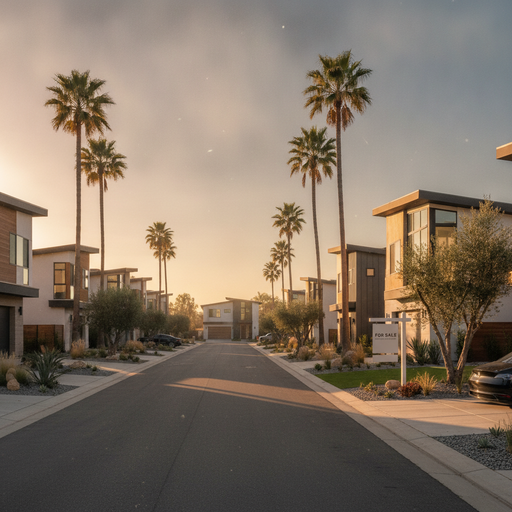
Imagine standing on a sun-drenched street in a quiet Santa Monica neighborhood or looking out over the rolling hills of the Silicon Valley. For decades, these vistas haven’t just represented beautiful scenery; they’ve represented the piacle of the American Dream. However, if you’ve checked a real estate app lately, you know that the “California Dream” currently comes with a hefty price tag and a fair share of market complexity.
SUBMIT YOUR DETAILS FOR
The California housing market has always been a beast of its own. It is a landscape defined by extreme demand, chronic undersupply, and some of the most valuable land on the planet. As we move further into 2024 and look toward 2025, many potential homebuyers and investors are asking the same burning question: Is the market finally going to cool down, or are we looking at another legendary climb in prices? To understand where we are going, we have to look at the unique storytelling of the California economy—a tale of resilience, frustration, and cautious optimism.
The Tug-of-War: Supply vs. Demand
In any other market, high interest rates would typically send prices tumbling. But California isn’t “any other market.” We are currently witnessing a fascinating tug-of-war. On one side, we have the highest mortgage rates we’ve seen iearly two decades, which theoretically should dampen demand. On the other side, we have a supply shortage so severe that it keeps a solid floor under home prices.
Most California homeowners are currently sitting on “golden handcuffs.” They secured mortgage rates at 2.5% or 3% during the pandemic. For these owners, selling their home and buying a new one means trading that low rate for something closer to 6.5% or 7%. This has created a massive inventory “lock-in effect.” Why would a family move to a slightly bigger house if their monthly payment doubles? Because of this, the number of existing homes for sale remains near historic lows, ensuring that even with fewer buyers in the market, the competition for the few available homes remains fierce.
The Interest Rate Factor: Will the Fed Play Nice?
The biggest protagonist in our housing story right now is the Federal Reserve. Everyone is waiting for the signal that rate cuts are finally on the horizon. For the California market, even a 1% drop in mortgage rates can unlock billions of dollars in purchasing power.
Current forecasts suggest that while we may not see the 3% rates of the past, a stabilization in the mid-6% or high-5% range by 2025 is a realistic possibility. If rates dip, expect a surge of “sideline buyers”—those who have been waiting for two years to jump back in. However, the irony of the California market is that lower rates often lead to higher prices because they invite more competition back into the arena. It’s a delicate balance that buyers must navigate carefully.
Regional Shifts: The Rise of the Inland Empire and Central Valley
One of the most interesting chapters in the current California forecast is the geographic shift of the population. While coastal hubs like San Francisco, Los Angeles, and San Diego remain the crown jewels, their astronomical prices have pushed many residents inland.
The Inland Empire and the Central Valley are no longer just “commuter zones”; they are becoming primary markets. Cities like Riverside, Sacramento, and Fresno are seeing sustained interest because they offer something the coast caot: a backyard and a three-car garage for under a million dollars. As remote work becomes a permanent fixture for many tech and professional service roles, the “geography of opportunity” is expanding. This migration is keeping price growth steady in these interior regions even as coastal markets see a bit more volatility.
The Bay Area’s Subtle Recovery
After a period of cooling due to tech layoffs and the “doom loop” narratives surrounding downtown San Francisco, the Bay Area is showing signs of a subtle, gritty recovery. Inventory remains so tight in places like Palo Alto and Mountain View that multiple offers are still the norm. The Artificial Intelligence boom is injecting a new wave of wealth into the region, which will likely serve as a catalyst for high-end real estate growth over the next 18 months.
Legislative Lifelines: Caew Laws Fix the Shortage?
California’s government is well aware of the housing crisis, and several new pieces of legislation are begiing to change the physical landscape of our neighborhoods. Laws like SB 9 and SB 10, which aim to eliminate single-family zoning in favor of multi-unit developments, are slowly bearing fruit.
The real “secret weapon” for California housing right now is the ADU (Accessory Dwelling Unit). Often called “gray flats,” these backyard cottages are popping up everywhere from San Jose to San Diego. They provide a vital source of “missing middle” housing and allow homeowners to generate rental income to offset their high mortgages. In our 2025 forecast, we expect ADUs to play an even larger role in stabilizing the rental market and providing flexible living arrangements for multi-generational families.
Predictions for 2025: What Should Buyers and Sellers Expect?
As we look into the crystal ball for 2025, here is what the data and market sentiment suggest:
- Price Appreciation: Expect modest price growth. We aren’t likely to see the 20% year-over-year jumps of the pandemic era, but a steady 3% to 5% increase is probable due to the lack of inventory.
- Inventory Levels: Supply will remain the biggest challenge. While new construction is increasing, it isn’t enough to satisfy the decade-long deficit.
- Buyer Competition: If mortgage rates fall below 6%, expect “bidding war” headlines to return to the mainstream media. The pent-up demand in California is substantial.
- The Rental Market: While home prices remain high, the rental market may see some softening as more apartment deliveries hit the market in major metro areas, providing some relief for those not yet ready to buy.
Conclusion: Is It the Right Time to Buy in California?
There is an old saying in real estate: “Don’t wait to buy real estate; buy real estate and wait.” In the context of California, this has historically been true. Despite the high costs and the regulatory hurdles, California remains the fifth-largest economy in the world, a hub of global iovation, and a place where people will always want to live.
For buyers, the “perfect time” rarely exists. The goal in the current market is not to find a bargain—those are rare—but to find a property you can afford with a long-term mindset. For sellers, your leverage remains high because your competition is low. As we transition into 2025, the California housing market continues to be a story of endurance. It is a market that rewards the patient, the prepared, and those who believe that the Golden State’s best days are still ahead.
Whether you are a first-time buyer looking at a condo in Sacramento or an investor eyeing a duplex in Long Beach, the forecast remains the same: tight supply, resilient demand, and a market that refuses to quit.