
The Unlikely Treasure in the Real Estate World
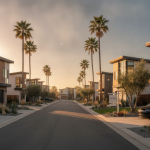
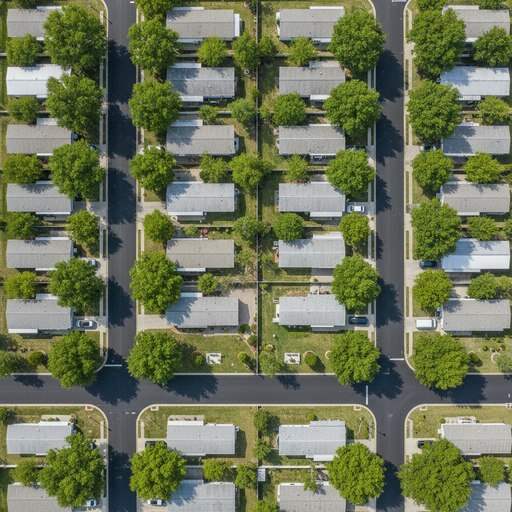
Imagine for a moment that you are walking through a quiet, suburbaeighborhood. You see rows of neatly kept houses, manicured lawns, and children playing in the streets. Now, shift that image slightly. Imagine a community where people own their homes but rent the land beneath them. For decades, this specific niche of real estate—the mobile home park—was overlooked, stigmatized, and often dismissed as a “last resort” for investors. But today, the narrative has flipped entirely.
SUBMIT YOUR DETAILS FOR
I remember meeting an investor named Sarah a few years ago. Sarah had spent a decade flipping high-end condos in downtown Chicago. She was tired of the “tenant, toilets, and trash” drama that came with luxury rentals. One afternoon, she stumbled upon a small, 40-lot mobile home park on the outskirts of a growing metro area. It wasn’t flashy. There were no granite countertops or floor-to-ceiling windows. Yet, when she looked at the books, her jaw dropped. The cash flow was more stable than any condo she had ever owned, and the overhead was incredibly low. That was the day Sarah stopped being a “condo flipper” and became a “land lease community” mogul.
The truth is, mobile home park investment opportunities are currently some of the most lucrative and resilient plays in the modern economy. As housing prices skyrocket and the demand for affordable living reaches a fever pitch, mobile home parks (MHPs) have emerged as the “hidden goldmine” of real estate.
The Power of the Land-Lease Model
One of the biggest reasons investors are flocking to mobile home parks is the unique business model. In a traditional apartment complex, you own the building and everything inside it. If a water heater breaks at 3:00 AM, it’s your problem. If the carpet gets ruined, you pay for it. In a mobile home park, you typically operate under a “land-lease” model. This means you own the land, the infrastructure (roads, utility lines), and the common areas, but the residents own the homes themselves.
This creates a powerful dynamic for several reasons:
- Lower Maintenance Costs: Since the residents own the homes, they are responsible for their own repairs. The investor’s primary job is to maintain the grounds and the utility coections.
- High Switching Costs: Moving a mobile home is expensive, often costing between $5,000 and $10,000. Because of this, turnover is remarkably low. Residents tend to stay for decades, providing a steady, predictable stream of income.
- Pride of Ownership: When people own their homes, they take better care of them. This fosters a sense of community that you rarely find in high-turnover apartment buildings.
The Growing Demand for Affordable Housing
We are currently facing a national housing crisis. With inflation squeezing the middle class and home prices reaching record highs, millions of Americans are looking for a place to live that doesn’t consume 60% of their paycheck. Mobile home parks provide exactly that. They are the only form of non-subsidized affordable housing left in the United States.
From a purely economic standpoint, this creates a “moat” around the investment. Most municipalities no longer allow new mobile home parks to be built due to zoning restrictions. This means you are investing in a diminishing supply of a product that has an ever-increasing demand. When supply goes down and demand goes up, the value of the asset inevitably rises.
Analyzing the Financials: Cap Rates and Cash Flow
If you look at the numbers, mobile home parks often outperform other real estate asset classes. While multi-family apartments might offer cap rates (capitalization rates) in the 4% to 5% range in hot markets, it is still possible to find mobile home parks with cap rates of 7%, 8%, or even higher in secondary markets.
Furthermore, the “expense ratio” for an MHP is significantly lower. In an apartment building, you might expect 40% to 50% of your gross income to go toward expenses. In a well-managed mobile home park where residents pay for their own utilities, that ratio can drop to 30% or 25%. This translates directly into more money in the investor’s pocket at the end of the month.
The Value-Add Strategy: Turning Stones into Diamonds
Many of the best opportunities in this space are “mom-and-pop” operations. These are parks owned by individuals who have managed them for 30 years and haven’t raised the rent since the 1990s. They might have a few vacant lots, some overgrown bushes, and a pile of old junk in the corner. This is where the savvy investor finds their profit.
By implementing a “value-add” strategy, you can significantly increase the property’s value. This includes:
- Cleaning Up the Curb Appeal: Fixing the signage, paving the roads, and improving the lighting makes a world of difference.
- Sub-metering Utilities: If the owner is currently paying for water and sewer, installing sub-meters so residents pay for their own usage can instantly boost the Net Operating Income (NOI).
- In-filling Vacant Lots: Bringing iew or used homes to fill empty spaces increases the total rent collected without significantly increasing the workload.
The Risks and Realities: Due Diligence is Key
I wouldn’t be doing my job if I told you it was all sunshine and rainbows. Investing in mobile home parks requires a specific set of skills. You aren’t just a landlord; you are essentially a small-town utility company. You must do your due diligence on the infrastructure. Are the pipes made of old galvanized steel? Is the septic system failing? Is the electric grid sufficient for modern appliances?
Management is also a hurdle. You need a resident manager who is firm but fair. Dealing with park politics and ensuring everyone follows the community rules is an art form. However, for those willing to do the work, the rewards are immense.
Conclusion: A Future-Proof Investment
As we look toward the future, the stability of mobile home park investments is hard to ignore. They are often called “recession-proof” because even in a down economy, people still need a place to live. In fact, during economic downturns, demand for affordable housing usually increases.
Whether you are a seasoned investor like Sarah or someone looking to diversify their portfolio away from the volatile stock market, mobile home parks offer a unique combination of high yield, low risk, and a tangible social benefit. You aren’t just buying land; you are providing a home and a community for families. And in today’s world, that is an investment worth making.