
The Evolution of the First Impression
Imagine pulling into your driveway after a long day. Before you even step foot inside, the sight of your home greets you. Does it feel like a sanctuary that reflects your personality, or does it feel stuck in a bygone era? In the world of architecture, the exterior of a home is much more than just a shell; it is a visual narrative, a handshake with the neighborhood, and a reflection of the lifestyle lived within its walls. Today, modern exterior house design is undergoing a fascinating transformation. We are moving away from the cookie-cutter suburban aesthetic and embracing a philosophy that blends bold iovation with natural serenity.
SUBMIT YOUR DETAILS FOR
Whether you are plaing a complete renovation or building your dream home from scratch, keeping up with the latest trends is essential. Modern design isn’t just about “looking new”—it’s about functionality, sustainability, and creating a seamless coection between the indoors and the world outside. Let’s take a journey through the most influential modern exterior design trends that are redefining neighborhoods across the country.
1. The Rise of Moody and Dark Palettes
For decades, white and beige were the undisputed kings of exterior paint. But the tide has turned. One of the most striking trends in modern architecture is the move toward “moody” exteriors. We are seeing a surge in deep charcoals, midnight blacks, and navy blues. These colors offer a sophisticated, grounded look that allows the architectural lines of the house to truly pop.
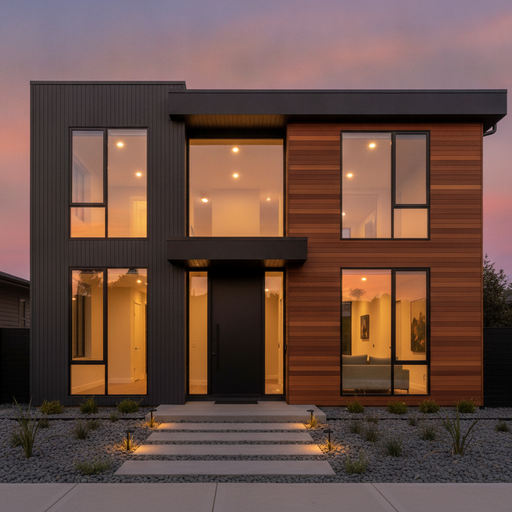
A popular technique within this trend is the use of Shou Sugi Ban—a traditional Japanese method of charring wood to preserve it. This creates a beautiful, textured, matte-black finish that is both incredibly durable and visually stuing. When paired with warm wooden accents or large glass windows, a dark exterior feels luxurious rather than gloomy.
2. Biophilic Design: Bringing Nature Home
In our increasingly digital world, there is a deep human craving to recoect with nature. This has birthed the “biophilic design” movement. Instead of trying to dominate the landscape, modern homes are designed to integrate with it. This involves using natural materials like raw stone, cedar siding, and living green walls.
Imagine a house where the exterior walls are partially covered in climbing ivy or vertical gardens. This isn’t just about aesthetics; it’s about cooling the home naturally and improving air quality. Large, floor-to-ceiling windows are also a staple of this trend, acting as a transparent bridge that brings the colors of the garden into your living room.
3. Mixing Textures and Materials
Gone are the days of a house being made of a single material. Modern design thrives on contrast. Architects are now layering different materials to create visual interest and depth. You might see a home that combines smooth white stucco with rugged limestone panels, accented by industrial steel beams and warm mahogany slats.
This “mixed media” approach breaks up the visual weight of the building. It allows certain architectural features, like a cantilevered roof or a grand entrance, to stand out. The key to mastering this trend is balance—ensuring that the different textures complement rather than clash with one another.
4. The Indoor-Outdoor Flow
Modern homeowners no longer view the “backyard” as a separate entity. Instead, the exterior design focuses on extending the living space outward. We are seeing a massive trend in “outdoor rooms” that feature full kitchens, fire pits, and comfortable lounge areas that mirror the interior furniture.
The transition is often made seamless through the use of massive sliding glass doors or “disappearing walls.” When opened, the distinction between the kitchen and the patio vanishes, creating a massive, airy space perfect for entertaining. This trend emphasizes the lifestyle aspect of modern design—making the most of every square foot of your property.
5. Sustainable and Eco-Conscious Exteriors
Sustainability is no longer a niche requirement; it is a central pillar of modern design. Homeowners are looking for ways to reduce their carbon footprint through their home’s exterior. This includes the installation of sleek, integrated solar panels that look like part of the roof rather than an afterthought.
Beyond energy, we see a rise in Xeriscaping—a landscaping style that requires little to no irrigation. By using native plants, gravel, and stone, homeowners can create a stuing modern yard that saves water and looks beautiful year-round. Recycled materials, such as reclaimed wood siding and metal panels, are also gaining popularity for their unique character and eco-friendly footprint.
6. Minimalism and Geometric Precision
At its core, modern design is often synonymous with minimalism. This trend focuses on clean, straight lines and the “less is more” philosophy. Flat or low-slope roofs are a hallmark of this style, giving the house a sleek, low-profile silhouette that feels very contemporary.
In a minimalist exterior, every detail matters. The hardware on the front door, the style of the house numbers, and the placement of exterior lighting are all chosen with surgical precision. This creates a sense of calm and order that is incredibly appealing in a busy, chaotic world.
7. Industrial Accents with a Warm Touch
The industrial look—characterized by exposed steel, concrete, and large metal-framed windows—remains a favorite. However, the “new modern” version of this trend is softer and more inviting. By adding “warm” elements like honey-toned wood or soft ambient lighting, the industrial aesthetic loses its coldness and becomes “Industrial Chic.”
For example, a black steel staircase leading to a second-story balcony looks breathtaking when framed against a warm cedar-planked wall. It’s the perfect marriage of strength and comfort.
8. Smart Lighting and Hidden Technology
Modern exteriors are getting smarter. Lighting is no longer just about safety; it’s about drama. Programmable LED strips hidden under roof eaves, along walkways, or behind landscape features can change the entire mood of the house with the tap of a smartphone app.
Furthermore, technology is being integrated “invisibly.” Smart doorbells, security cameras, and speakers are being recessed into the architecture so they don’t clutter the clean lines of the house. Even garage doors have evolved, with frosted glass panels and silent, high-tech opening systems becoming the standard.
9. Asymmetrical Balance
Traditional homes are often symmetrical, with the front door right in the center and windows balanced on either side. Modern design flips the script. Asymmetry is used to create a dynamic, energetic look. One side of the house might feature a tall, narrow window, while the other side has a wide, horizontal porch.
This approach allows for more creative floor plans and helps the house feel like a unique piece of art. It invites the eye to move across the facade, discovering new details at every angle.
10. The Return of the Porch (with a Modern Twist)
The classic American porch is making a comeback, but it’s been modernized. Instead of ornate Victorian railings, modern porches feature cable railings or frameless glass. They are designed as clean, functional spaces where you can enjoy the fresh air. These porches often use recessed lighting and minimalist furniture to maintain the home’s contemporary vibe while offering a nostalgic place to relax.
Conclusion: Crafting Your Own Modern Story
As we have explored, modern exterior house design is about much more than just following a set of rules. It is a flexible, evolving language that prioritizes the harmony between humans, their homes, and the environment. Whether you are drawn to the bold statement of a black-on-black facade or the peaceful serenity of a biophilic retreat, the goal is to create a space that feels uniquely yours.
The most successful modern designs are those that tell a story—your story. By mixing materials, embracing technology, and inviting nature back into the architecture, you can create a home that doesn’t just look “modern” today but remains a timeless masterpiece for years to come. Your home’s exterior is the world’s first glimpse into your life; make sure it’s a view worth taking in.