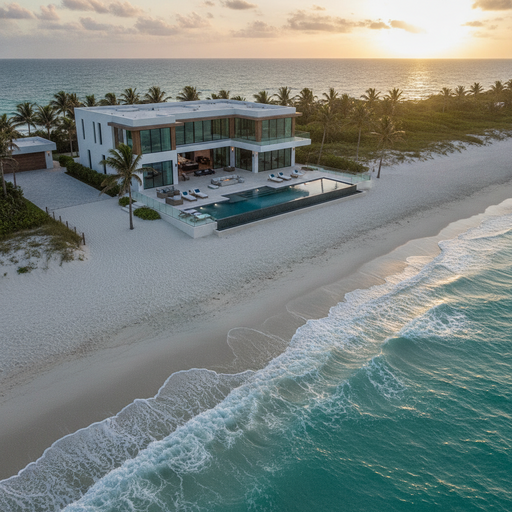

Imagine waking up to the rhythmic sound of the Atlantic or the Gulf of Mexico softly lapping against the shore. You step out onto a balcony with a steaming cup of coffee, feeling the warm salt air on your skin. For many, this is the ultimate vacation dream. But for a growing number of savvy investors, this scene isn’t just a holiday memory—it is a business model. Investing in Florida beach residential property has long been considered the “Gold Standard” of real estate, blending the emotional allure of the coast with the cold, hard logic of high demand and appreciation.
SUBMIT YOUR DETAILS FOR
Florida isn’t just a state; it’s a brand. It represents sunshine, freedom, and a perpetual escape from the winter blues. However, entering the Florida beach market requires more than just a love for the ocean. It requires a strategy that balances the highs of peak tourist seasons with the realities of coastal maintenance and shifting economic tides. In this guide, we will walk through the journey of turning a piece of the Sunshine State into a cornerstone of your investment portfolio.
The Magnetic Pull of the Sunshine State
Why Florida? To understand the investment potential, you first have to look at the numbers. Florida consistently ranks as one of the most moved-to states in the US. With no state income tax and a business-friendly environment, it attracts retirees, digital nomads, and young families alike. But the real magic lies in the tourism sector. Even during global economic shifts, Florida remains a top destination for domestic and international travelers.
When you own a residential property near the beach, you aren’t just buying bricks and mortar; you are buying a piece of limited inventory. They aren’t making any more coastline. This scarcity is the engine that drives property values upward over the long term. Whether you are looking for a condo in a high-rise or a quaint cottage in a sleepy beach town, you are tapping into a market that has proven its resilience decade after decade.
Choosing Your Coast: A Tale of Two Shores
Florida’s geography offers two distinct “vibes,” and your choice will dictate your investment strategy. The Atlantic Coast (East) and the Gulf Coast (West) offer different experiences for both owners and renters.
The Atlantic Coast: High Energy and Surfing Vibes
From the luxury high-rises of Miami and Fort Lauderdale to the historic charm of St. Augustine, the East Coast is known for its waves and high-octane lifestyle. Miami is a global hub, making it perfect for luxury short-term rentals that cater to international business travelers and socialites. Further north, places like Daytona Beach or New Smyrna Beach offer a more laid-back, family-oriented atmosphere with a lower barrier to entry for new investors.
The Gulf Coast: White Sands and Sunset Views
The Gulf Coast, particularly the “Emerald Coast” in the panhandle (Destin, 30A) and the Southwest (Naples, Sarasota), is famous for its powder-white sand and calm, turquoise waters. These areas are massive draws for families from the Midwest and the South. The rental market here is often characterized by longer stays and repeat visitors who come back to the same house year after year, providing a sense of stability for the property owner.
The Strategy: Short-Term vs. Long-Term Rentals
Once you’ve picked a location, you need to decide how you want your money to work. This is the crossroads where many investors find themselves: do you go for the high-yield, high-effort world of vacation rentals, or the steady, predictable path of long-term leasing?
- Short-Term Rentals (The Airbnb Route): This is where the big money often lies. Properties near the beach can command astronomical nightly rates during Spring Break, summer, and major holidays. However, this is a hospitality business. You’ll need to manage cleanings, guest communications, and constant wear and tear. You also need to be acutely aware of local zoning laws, as some Florida municipalities have strict rules on short-term rentals.
- Long-Term Rentals: If you prefer a “set it and forget it” approach, renting to a local resident on a 12-month lease might be the way to go. While the monthly income is lower than the peak-season Airbnb rates, the vacancy risk is lower, and the management is far simpler.
The Unfiltered Reality: Risks and Resilience
We can’t talk about Florida beach residential investment without addressing the elephant in the room: hurricanes and insurance. Coastal living comes with a unique set of challenges. In recent years, property insurance premiums in Florida have seen significant increases. As an investor, you must factor in “hidden” costs like flood insurance, windstorm protection, and high-quality property management.
However, the market has a way of pricing in these risks. Modern Florida building codes are among the strictest in the world. Buying a property built after 2002, or retrofitting an older home with impact-resistant windows and reinforced roofing, not only protects your investment but can also help lower those daunting insurance premiums. Success in this market belongs to those who do their due diligence and prepare for the elements rather than ignoring them.
Designing for Dollars: The Aesthetic Edge
In a saturated market like Florida, your property needs to stand out. If you are going the vacation rental route, “beige and boring” won’t cut it. Today’s travelers are looking for an “Instagrammable” experience. This means investing in professional interior design that reflects the coastal lifestyle. Think light woods, blues and greens that mimic the ocean, and high-quality outdoor furniture.
Consider the amenities that make a beach stay effortless. An outdoor shower to wash off the sand, a beach wagon with chairs and umbrellas, and a high-speed internet coection for the “work-from-beach” crowd can significantly increase your booking rate and allow you to charge a premium. Small touches often yield the highest returns on investment.
The Importance of a Local Team
Unless you live in the town where you are investing, you caot do this alone. A successful Florida beach investment is built on the backs of a reliable local team. This includes:
- A Specialized Realtor: Someone who knows which streets flood and which neighborhoods are about to see a surge in popularity.
- A Property Manager: Your eyes and ears on the ground who can handle a leaky faucet at 10 PM on a Saturday.
- A Tax Professional: Someone familiar with Florida’s specific tax laws and how to maximize your deductions for a rental property.
Conclusion: Building Your Coastal Legacy
Investing in Florida beach residential property is more than just a financial transaction; it’s an entry into a lifestyle of growth and opportunity. While the sun, sand, and surf provide the emotional hook, the state’s robust economy and consistent demand provide the structural integrity for a sound investment.
Yes, there are challenges—from navigating insurance markets to managing guest expectations—but for the investor who does their homework, the rewards are as vast as the ocean itself. Whether you are looking to build a portfolio of condos or find that one perfect beach house that pays for itself, Florida remains one of the most exciting frontiers in real estate. It’s time to stop dreaming about the beach and start owning it.