
The Dream of the Sunshine State
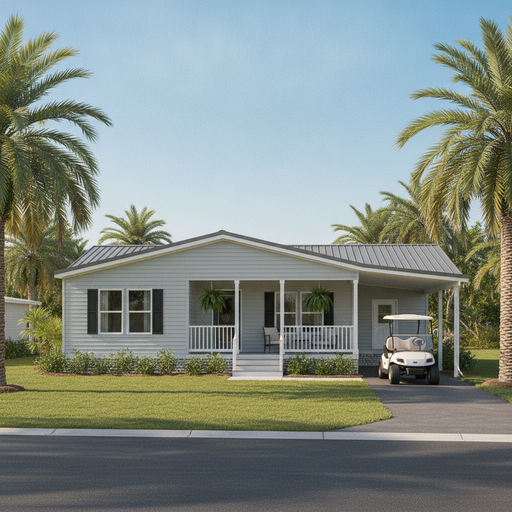
Imagine waking up to the gentle rustle of palm fronds outside your window. The Florida sun is already warm, promising a day of golf, beach trips, or simply lounging by a crystal-blue pool. For many, this sounds like an expensive retirement fantasy or a high-priced vacation. But what if I told you that this lifestyle is accessible, affordable, and waiting for you right now? Welcome to the world of Florida mobile homes.
SUBMIT YOUR DETAILS FOR
Buying a mobile home in Florida isn’t just about finding a place to sleep; it’s about choosing a lifestyle. Whether you’re a “snowbird” looking for a winter escape or a full-time resident seeking to escape the high cost of traditional real estate, Florida offers one of the most robust manufactured home markets in the United States. However, the process in the Sunshine State has its own set of rules, quirks, and hidden gems. In this guide, we’ll walk through everything you need to know to make your Florida dream a reality.
1. Understanding the Terminology: Mobile vs. Manufactured
Before we dive into the “where” and “how,” let’s clarify the “what.” In the industry, people often use the terms interchangeably, but there is a legal difference. A “mobile home” technically refers to factory-built housing constructed before June 15, 1976. Anything built after that date is officially a “manufactured home,” built to strict federal standards set by the Department of Housing and Urban Development (HUD).
In Florida, you will also encounter “modular homes.” Unlike manufactured homes, which are built on a permanent chassis, modular homes are built in sections and transported to a site where they are placed on a permanent foundation, much like a traditional stick-built house. For the purpose of this guide, we will focus on manufactured homes, as they are the most popular affordable option in the state.
2. Location, Location, Location: Land-Lease vs. Land-Owned
This is the most critical decision you will make. In Florida, mobile homes generally fall into two categories regarding the land they sit on:
Land-Lease Communities
In a land-lease community (often called a mobile home park), you own the home, but you rent the lot. This is a very common setup in Florida.
- Pros: Lower upfront purchase price, community amenities (pools, clubhouses, shuffleboard), and no property taxes on the land.
- Cons: You must pay monthly “lot rent,” which can range from $400 to over $1,000 depending on the location and amenities. You are also subject to park rules and regulations.
Land-Owned (Co-op or Private Land)
Here, you own both the home and the land it sits on. This might be in a resident-owned subdivision or on a private acre of land in a more rural area.
- Pros: No monthly lot rent, higher resale value, and more freedom to modify your property.
- Cons: Higher initial purchase price and you are responsible for property taxes and all land maintenance.
3. Weatherproofing: The Reality of Florida Hurricanes
We can’t talk about Florida without talking about the weather. If you are buying a manufactured home in Florida, you must understand “Wind Zones.” Florida is divided into different zones based on hurricane risk. Most of the state is in Wind Zone 2, but coastal areas are often in Wind Zone 3 (the highest rating).
When shopping, ensure the home was built to handle the wind zone of its location. Modern manufactured homes are incredibly resilient, often performing better in storms than older site-built homes, provided they are properly anchored. Speaking of anchors, always check the “tie-downs.” These are the metal straps that secure your home to the ground. In Florida, these must meet strict state codes and should be inspected by a professional before you buy.
4. The Buying Process: From Viewing to Closing
Buying a mobile home is a bit different than buying a traditional house. In Florida, mobile homes on leased land are actually considered “chattel” (personal property), similar to a car or a boat. This means the title is handled by the Florida Department of Highway Safety and Motor Vehicles (FLHSMV), not a traditional land registry.
Financing Your Home
Because mobile homes on leased land are personal property, you usually caot get a traditional 30-year mortgage. Instead, you will look for a “chattel loan.” These often have slightly higher interest rates and shorter terms. If you are buying a home and the land together, you may qualify for FHA, VA, or conventional mortgages.
The Importance of Inspection
Never skip the inspection! A specialized mobile home inspector will look for things a regular home inspector might miss, such as:
- The Vapor Barrier: This is a plastic sheet under the home that prevents moisture from rotting the floorboards. In Florida’s humidity, this is vital.
- The Roof-Over: Many Florida mobile homes have an extra layer of roofing material added for insulation and leak protection.
- Soft Spots: Check the floors carefully, especially near windows and plumbing fixtures, for signs of water damage.
5. Joining a Community: The Lifestyle Factor
One of the best parts of buying a mobile home in Florida is the community. Many parks are “55+ Communities,” designed specifically for active seniors. These parks are social hubs where you’ll find pancake breakfasts, bingo nights, and water aerobics. When visiting a park, take a moment to talk to the neighbors. Ask them about the management, the frequency of rent increases, and how the community handled the last big storm.
6. Taxes and Insurance
If you own the home but lease the land, you will pay an aual registration fee to the FLHSMV and receive a decal for your window, much like a license plate tag. If you own the land, the home is taxed as real property through the county appraiser.
Insurance is another vital factor. Florida’s insurance market can be tricky. Make sure to get insurance quotes before you finalize the purchase. Look for “replacement cost” coverage rather than “actual cash value” to ensure you are fully protected in the event of a total loss.
Conclusion: Your Suy Future Awaits
Buying a mobile home in Florida is one of the smartest ways to enjoy everything the state has to offer without the crushing weight of a massive mortgage. By understanding the difference between land-lease and land-owned, prioritizing wind-zone safety, and doing your due diligence with inspections, you can find a beautiful, safe, and affordable home.
The Florida lifestyle is about more than just a roof over your head; it’s about the freedom to spend your time and money on the things you love. Whether you’re watching the sunset over the Gulf or enjoying a quiet morning on your screened-in lanai, you’ll know you made the right choice. Welcome home to the Sunshine State!