
The First Impression: Why Your Home’s Skin Matters
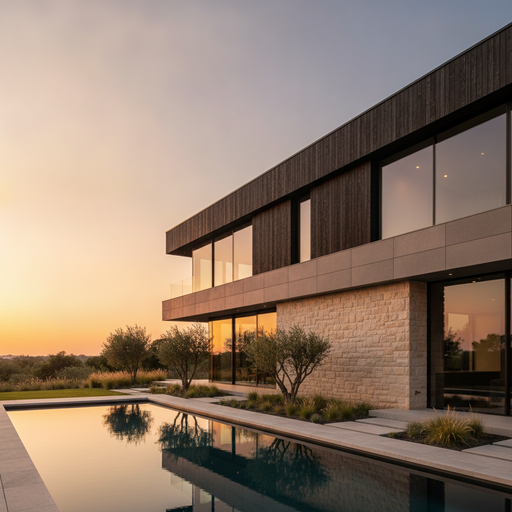
Imagine you are walking through a quiet, suburbaeighborhood. Most of the houses blur together in a sea of beige siding and standard red brick. But then, you turn a corner and see it: a home that stops you in your tracks. It’s wrapped in charred black timber, accented with sleek panels of rusted steel, and grounded by textured natural stone. It doesn’t just look like a house; it looks like a piece of art.
SUBMIT YOUR DETAILS FOR
That visual “wow” factor is the magic of custom exterior cladding. In the world of architecture, cladding is the protective layer or “skin” applied to the outside of a building. But for a homeowner, it’s so much more than that. It is the outfit your home wears to greet the world. It’s the first line of defense against the elements and the primary driver of your property’s curb appeal. Choosing the right custom cladding is a journey of balancing aesthetics, durability, and personality.
The Timeless Warmth of Natural Wood Cladding
There is something deeply comforting about wood. It coects our modern dwellings to the natural world. If you want your home to feel organic and inviting, wood is the gold standard. However, custom wood cladding has evolved far beyond the simple cedar shingles of the past.
Shou Sugi Ban: The Art of Charred Timber
One of the most popular custom trends right now is Shou Sugi Ban, an ancient Japanese technique of charring wood—usually cypress or cedar—to preserve it. The result is a stuing, deep black finish with a distinct silver sheen. Not only is it visually arresting, but the carbon layer also makes the wood resistant to fire, rot, and insects. It’s a perfect example of where tradition meets modern high-end design.
Thermally Modified Wood
For those who love the look of hardwood but worry about warping or decay, thermally modified wood is a game-changer. By heating the wood in a vacuum to high temperatures, the chemical structure of the timber changes, making it incredibly stable and durable. It’s a favorite for minimalist, contemporary homes that require clean lines and long-lasting performance.
The Industrial Edge: Metal Cladding Systems
If your style leans toward the modern, industrial, or avant-garde, metal cladding offers a level of versatility that few other materials can match. Metal isn’t just for warehouses anymore; it’s a sophisticated choice for luxury residential architecture.
The Living Finish of Copper and Zinc
Copper and zinc are known as “living” materials. When first installed, copper glows like a new pey. Over time, it reacts with the oxygen in the air to develop a beautiful green patina. Zinc, similarly, develops a soft blue-grey hue. These materials tell the story of the house over decades, changing and maturing with the environment. They are virtually maintenance-free and can last for over a century.
Corten Steel: The Beauty of Rust
Corten, or weathering steel, is designed to develop a stable rust-like appearance after exposure to weather. This orange-brown oxide layer actually protects the metal from further corrosion. It provides a rugged, earthy texture that looks incredible when paired with glass and concrete. It’s the ultimate choice for a home that wants to look bold and unapologetic.
Stone and Brick: The Reimagined Classics
Stone and brick are the oldest cladding materials in the book, but custom applications are giving them a second life. We are moving away from the “heavy” look of traditional masonry toward more refined, modern textures.
Natural Stone Veneers
Instead of using full-size boulders, modern custom homes often utilize thin-cut stone veneers. This allows for the authentic look of limestone, slate, or granite without the extreme weight and cost of solid stone construction. Large-format stone slabs can create a seamless, monolithic look that makes a house feel like it was carved directly out of a mountain.
Linear and Thin Brick
The standard brick shape is being replaced by long, thin “linear” bricks. These create a strong horizontal emphasis, making a building look wider and more grounded. By playing with mortar colors—or using “mortarless” looks—architects can turn a traditional material into a sleek, contemporary statement.
Fiber Cement and High-Performance Composites
For many homeowners, the dream is to have the look of wood or stone without the intensive maintenance. This is where fiber cement and composite materials shine. These are the “chameleons” of the cladding world.
Modern fiber cement panels can be manufactured to mimic almost any texture. They are incredibly tough, fire-resistant, and can be painted in any color imaginable. High-Pressure Laminates (HPL) are another custom favorite; these panels consist of layers of wood fiber and resin pressed under immense heat. They are virtually indestructible and allow for incredibly creative patterns and colors that simply aren’t possible with natural materials.
Sintered Stone: The High-Tech Frontier
If you have a healthy budget and want the absolute peak of cladding technology, look no further than sintered stone (often known by brand names like Dekton). This material is created by mimicking the process that forms natural stone in a matter of hours rather than milleia. It is completely waterproof, scratch-proof, and UV-resistant. It allows for massive, thin panels that give a home a smooth, futuristic finish that will look exactly the same fifty years from now as it does on the day of installation.
How to Choose the Right Material for Your Project
Choosing a custom cladding isn’t just about picking a color from a catalog. It’s a strategic decision based on several key factors:
- Climate: Does your area face heavy salt spray from the ocean? Avoid certain steels. Do you live in a high-fire-risk zone? Fiber cement and stone are your best friends.
- Maintenance Appetite: Be honest with yourself. Do you enjoy the process of oiling wood every two years to keep its color, or do you want a “set it and forget it” solution like metal or HPL?
- Budget: Custom cladding is an investment. While natural stone and copper have a high upfront cost, their longevity often makes them cheaper over the life of the building compared to cheaper materials that require frequent replacement.
- Architectural Context: Consider the neighborhood. You want your home to stand out, but you also want it to have a conversation with its surroundings. A rusted steel home might look amazing in a desert landscape but feel out of place in a historic colonial district.
The Role of Sustainability
In today’s world, custom cladding is also about ethics. Many homeowners are opting for reclaimed wood, recycled metal, or carbon-neutral fiber cement. Choosing a durable material that won’t end up in a landfill in twenty years is one of the most sustainable choices a homeowner can make. Furthermore, some cladding systems are designed to improve insulation, significantly lowering your home’s energy consumption.
Conclusion: Crafting Your Home’s Legacy
Your home is likely the biggest investment you will ever make. It is the backdrop for your family’s memories and a reflection of your personal style. Why settle for a generic exterior when the world of custom cladding offers so many possibilities?
Whether you choose the charred mystery of Shou Sugi Ban, the industrial strength of Corten steel, or the timeless elegance of large-format stone, your choice of cladding will define your home for generations to come. It is the final brushstroke on the canvas of your architecture. Take the time to explore the textures, understand the science, and choose a material that makes you smile every time you pull into your driveway.