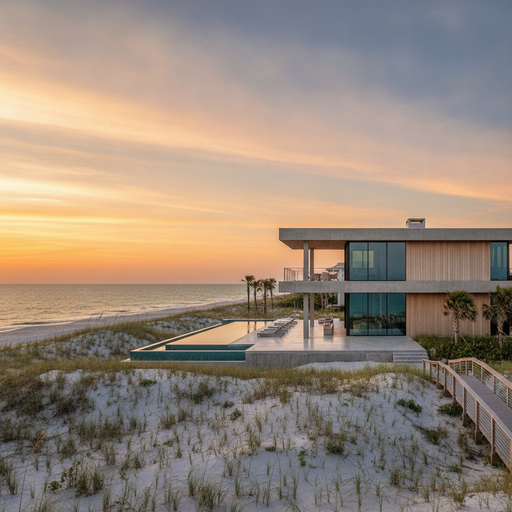

The Allure of the Sunshine State
Imagine waking up to the rhythmic sound of the Atlantic waves crashing against the shore or watching the sun sink into the emerald waters of the Gulf of Mexico from your own private balcony. For many, this is the ultimate retirement dream. But for a growing number of savvy investors, this isn’t just a vacation fantasy—it’s a calculated business move. Florida beach homes have long been considered the crown jewel of the American real estate market, and for good reason.
SUBMIT YOUR DETAILS FOR
Investing in Florida isn’t just about buying a piece of land; it’s about buying into a lifestyle that millions of people crave. From the bustling streets of Miami to the quiet, sugar-white sands of Destin, the state offers a diverse range of opportunities. In this guide, we will walk through the journey of finding, financing, and profiting from Florida beach property, told through the lens of modern investment strategies and real-world considerations.
Why Florida? The Economic Magnetism
Before we dive into the specific coastal towns, we need to understand the “why” behind the Florida boom. Florida has consistently ranked as one of the fastest-growing states in the U.S. This growth is fueled by a combination of factors that create a “perfect storm” for real estate investors.
Favorable Tax Climate
One of the biggest draws for investors is Florida’s tax-friendly environment. There is no state income tax, which is a massive incentive for high-net-worth individuals and retirees. When people have more disposable income, they spend it on luxury rentals and second homes, driving up the demand for high-quality beach properties.
Year-Round Tourism
Unlike beach towns in the Northeast or the Midwest, Florida doesn’t have a “dead season.” While summer is peak time for families, the “Snowbird” season brings a flood of retirees from January through April. This year-round occupancy potential is the secret sauce for high ROI in the short-term rental market.
Choosing Your Coast: Gulf vs. Atlantic
In Florida, not all beaches are created equal. The state is essentially a peninsula with two distinct coastal personalities, and your choice of location will dictate your investment strategy.
The Emerald Coast and the Gulf Side
The Gulf Coast, including areas like Naples, Sarasota, and the Panhandle (Destin/30A), is famous for its calm, turquoise waters and powdery white sand. These areas are incredibly popular with families and those looking for a more relaxed, upscale vibe. The Panhandle, in particular, has seen an explosion in short-term rental demand, with luxury villas often booking out a year in advance.
The Atlantic Coast and the Space Coast
The Atlantic side, featuring Miami, Fort Lauderdale, and Daytona Beach, offers a more high-energy atmosphere. Here, you have the advantage of being close to international airports and major metropolitan hubs. Miami is a global brand; an investment here is as much about the culture and nightlife as it is about the beach. Further north, the Space Coast offers more affordable entry points while still providing excellent proximity to Orlando’s theme parks.
The Power of Storytelling: Meet “The Coastal Investor”
To understand how this works in practice, let’s look at the story of Sarah, a middle-manager from Chicago who decided to diversify her portfolio. Sarah didn’t want just another stock index fund; she wanted a tangible asset. She chose a three-bedroom cottage in Cape San Blas.
Sarah focused on “The Experience.” She didn’t just list a house on Airbnb; she told a story. She provided paddleboards, a guide to the best local oyster shacks, and decorated with a “boho-coastal” aesthetic that looked stuing on Instagram. By focusing on the storytelling aspect of her property, she was able to charge a 20% premium over neighboring houses. Her investment wasn’t just sticks and bricks; it was a curated vacation experience.
Understanding the Financials: Beyond the Purchase Price
Investing in beach property requires a sharper pencil than traditional residential investing. You have to account for variables that don’t exist in inland markets.
- Insurance Costs: Florida’s proximity to the coast means higher premiums for wind and flood insurance. It is vital to get an insurance quote during your due diligence period.
- Salt Air Maintenance: The salt in the air is corrosive. Exterior paint, HVAC units, and even outdoor furniture will wear down faster than they would in a dry climate. Budgeting for proactive maintenance is non-negotiable.
- Property Management: Unless you live locally, you will likely need a property management company. In vacation hotspots, these companies typically charge between 15% and 25% of the gross rental income, but they handle everything from cleaning to emergency repairs.
The Rise of Short-Term Rental Regulations
As you scout for the perfect beach home, you must be a detective regarding local laws. Many Florida municipalities have specific ordinances regarding short-term rentals (STRs). Some cities allow them freely, while others require specific licenses or have “minimum stay” requirements (e.g., you can only rent for 30 days or more).
Before pulling the trigger, check the Homeowners Association (HOA) rules. Some HOAs are notoriously strict and may ban short-term rentals altogether. The most successful investors look for “unincorporated” areas or zones specifically designated for tourism to ensure their business model remains legal and scalable.
Maximizing Your ROI: The “Value-Add” Strategy
How do you make your property stand out in a crowded market? The most successful Florida beach investments use a value-add strategy. This doesn’t always mean a full renovation. Sometimes, it’s about the amenities that drive “Nightly Rate” increases.
The “Must-Have” Amenities
- A Private Pool: In Florida, a pool is not a luxury; it’s almost a requirement. Properties with private pools can command 30-50% more in rental income than those without.
- Pet-Friendly Features: Many travelers won’t leave home without their dogs. Making your beach home pet-friendly (with a fenced yard) opens you up to a massive demographic that is often willing to pay a higher cleaning fee.
- High-Speed Internet: With the rise of “workcations,” guests need to know they can take a Zoom call between beach sessions.
The Future of Florida Real Estate
Despite the fluctuations in the global economy, Florida’s coastline remains a finite resource. They aren’t making any more beachfront land. As remote work becomes a permanent fixture of the modern economy, more people are choosing to live where they once only vacationed. This shift from “seasonal visitor” to “full-time resident” is propping up property values and ensuring that even if the rental market dips, the resale value remains strong.
Conclusion: Is It Right for You?
Investing in Florida beach homes is more than a financial transaction; it’s an entry into a lifestyle business. It requires a balance of hard data—analyzing cap rates and insurance premiums—and soft skills, like interior design and guest hospitality. If you approach it with a long-term mindset and a commitment to providing a great experience, the Florida coast can provide a source of passive income that is as steady as the tide.
Whether you are looking for a small condo in Clearwater or a sprawling estate in the Keys, the opportunity is there. The sun is shining, the water is warm, and the market is waiting. Are you ready to catch the wave?