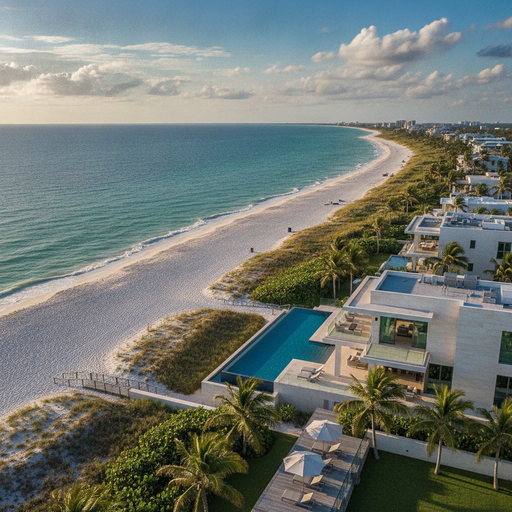

The Call of the Ocean: Why We Dream of Florida
I remember the first time I truly understood the allure of the Florida coast. It wasn’t just the heat—it was the specific, rhythmic sound of the Atlantic tide pulling back over crushed seashells at three in the morning. For many of us, looking through Florida coastal housing listings isn’t just a search for a property; it is a search for a different version of ourselves. We imagine a life where the morning coffee is enjoyed with a view of the sunrise over the horizon, and where the “commute” involves a bicycle and a pair of flip-flops.
SUBMIT YOUR DETAILS FOR
Florida’s coastline stretches for over 1,350 miles, offering a diverse palette of lifestyles. From the neon-lit luxury of Miami to the quiet, rolling dunes of the Panhandle, the housing market here is as varied as the seashells on its shores. However, navigating these listings requires more than just a filter for “beachfront.” It requires an understanding of the geography, the lifestyle, and the unique realities of living where the land meets the sea.
Understanding the Geography: Atlantic vs. Gulf
When you start scrolling through listings, the first major decision you’ll face is which coast suits your soul. While both offer stuing views, they provide vastly different experiences. The Atlantic Coast—stretching from Jacksonville down to the Florida Keys—is known for its energy. Here, the waves are bigger, the water is a deep navy blue, and the atmosphere feels vibrant and fast-paced.
On the flip side, the Gulf Coast—often referred to as the “Suncoast” or the “Emerald Coast”—is famous for its calm, turquoise waters and sand that feels like powdered sugar. If your dream involves watching the sunset directly over the water every single evening, the Gulf is your destination. Listings in places like Naples, Sarasota, and Clearwater often feature a more relaxed, laid-back vibe compared to their Atlantic counterparts.
The Treasure Coast and Space Coast
For those looking for a middle ground, the Space Coast (near Merritt Island and Cocoa Beach) and the Treasure Coast (Vero Beach and Stuart) offer a nostalgic Florida feel. Listings here often feature larger lots and a closer coection to nature, where sea turtle nesting grounds are as common as neighborhood parks. These areas are increasingly popular for families and retirees who want the coastal lifestyle without the Miami price tag.
Decoding the Listings: What to Look For
Reading a Florida coastal housing listing is almost like learning a new language. You’ll see terms like “intracoastal,” “direct oceanfront,” and “canal-front.” Each of these carries a different price point and a different daily reality. Let me walk you through what these actually mean for your lifestyle.
- Direct Oceanfront: This is the gold standard. You step off your patio and your feet hit the sand. These listings are the most expensive but offer unparalleled views and rental potential.
- Intracoastal Waterway: Many people actually prefer this over the ocean. These homes sit on the saltwater rivers that run parallel to the coast. You get a water view, a place to dock your boat, and protection from the harshest ocean winds.
- Canal-Front: Common in places like Cape Coral or Fort Lauderdale, these homes are on man-made waterways. If you are a boating enthusiast, these listings are your best friend, as they often include private docks and easy access to the open sea.
The Importance of “The View”
In the world of coastal real estate, the view is a commodity. You might find two identical condos in the same building, but one is priced $200,000 higher because it has an “unobstructed western view.” When browsing listings, look closely at the photos. Is it a “peek-a-boo” view where you have to crane your neck, or is it a panoramic vista? This will significantly impact your resale value down the road.
The Realities of Coastal Maintenance
There is a story I often tell prospective buyers about the “salt air tax.” Living by the water is beautiful, but the environment is aggressive. When you look at listings, pay close attention to the age of the roof and the type of windows installed. Coastal homes in Florida are subject to high humidity and salt spray, which can corrode metal and wear down paint faster than inland properties.
High-quality listings will often highlight “Impact Windows” or “Hurricane Shutters.” These are not just safety features; they are essential for peace of mind and can significantly lower your insurance premiums. If a listing mentions a recently replaced HVAC system with a protective coating, that’s a sign of a seller who has maintained the home properly against the coastal elements.
Financing and the “Hidden” Costs
Finding a home that fits your budget on paper is only half the battle. Florida coastal living comes with specific financial considerations that don’t always appear in the initial listing price. One of the biggest factors is insurance. Flood insurance and windstorm insurance are often separate policies, and they are non-negotiable for most lenders if you are within a certain distance of the water.
Furthermore, if you are looking at condos or townhomes, the Homeowners Association (HOA) fees can be substantial. These fees often cover building insurance, landscaping, and pool maintenance. While they might seem high, remember that they often include the “heavy lifting” of coastal maintenance that you would otherwise have to pay for yourself in a single-family home.
Tax Implications
Florida is famous for having no state income tax, which makes it a magnet for buyers from the Northeast and Midwest. However, property taxes are based on the assessed value of the home. When you buy a coastal property, the taxes will likely be reassessed based on your purchase price, so make sure to factor that into your monthly mortgage calculations.
How to Win in a Competitive Market
The Florida coastal market is notoriously fast-paced. To secure a home, you need to be prepared. This means having your pre-approval letter ready and being willing to move quickly when a new listing hits the market. But speed shouldn’t mean recklessness.
Always insist on a professional inspection, specifically one that includes a “wind mitigation” report. This can save you thousands of dollars. Additionally, work with a local agent who knows the specific quirks of the neighborhood. A local expert will know if a particular beach has an erosion problem or if a certain street is prone to “suy day flooding” during high tides—information you won’t find in a standard online listing.
The Emotional Reward: Is It Worth It?
At the end of the day, after all the paperwork is signed and the boxes are unpacked, there is a moment that every coastal homeowner experiences. It’s that first evening when you sit on your deck, the air is warm, the scent of salt is thick, and the world feels quiet. The stress of the search fades away.
Whether you are looking for a high-rise luxury condo in Suy Isles or a hidden cottage in Aa Maria Island, the Florida coast offers a sense of freedom that is hard to find anywhere else. The listings are just the begiing; the real adventure starts when you turn the key.
Conclusion
Exploring Florida coastal housing listings is an exciting journey that requires a blend of romantic vision and practical scrutiny. By understanding the differences between the coasts, recognizing the importance of structural integrity, and preparing for the financial nuances of waterfront living, you can find a home that provides both a sanctuary and a sound investment. The Florida sun is waiting—all you have to do is find the right door to walk through.