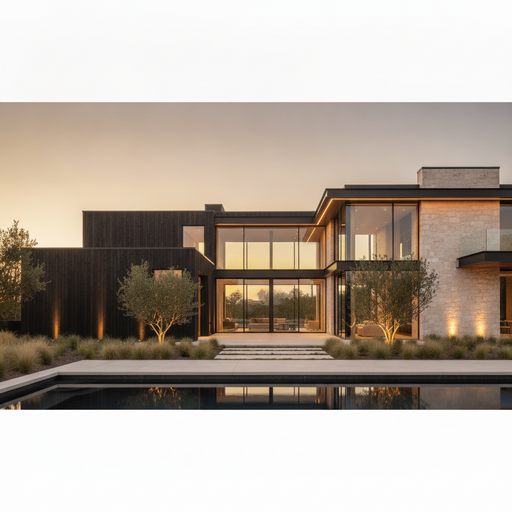

Imagine standing at the edge of your driveway, looking at a house that doesn’t just provide shelter, but tells a story. For Sarah and James, a couple from the suburbs of Chicago, this was the dream. They didn’t want the “cookie-cutter” look that dominated their neighborhood. They wanted texture, character, and a facade that whispered sophistication. However, as they transitioned from browsing Pinterest boards to talking to contractors, they hit a common roadblock: the mysterious and often intimidating world of custom exterior materials pricing.
SUBMIT YOUR DETAILS FOR
Choosing custom materials is a journey of balancing aesthetics, durability, and budget. Unlike standard vinyl siding or off-the-shelf brick, custom solutions involve intricate manufacturing processes, specialized labor, and often, international shipping. If you are embarking on a similar journey, understanding the “why” behind the price tag is the first step toward building your masterpiece without breaking the bank.
The Foundations of Custom Pricing: Why It Costs What It Costs
When we talk about “custom” exteriors, we are moving away from mass-produced items found in big-box retailers. Custom materials are often made-to-order or sourced from boutique quarries and timber mills. The pricing is influenced by three primary pillars: raw material scarcity, manufacturing complexity, and logistical demands.
Take, for instance, reclaimed barn wood. It’s not just “old wood.” It is timber that has survived a century of weather, which must be carefully dismantled, de-nailed, kiln-dried to kill insects, and milled into consistent planks. Each of these steps adds a layer of cost that you simply don’t find with factory-fresh pine. When you pay for custom materials, you aren’t just buying a product; you are paying for the labor and expertise required to prepare that product for your specific home.
Natural Wood: The Warmth of Luxury
Natural wood remains one of the most sought-after custom exteriors. Species like Western Red Cedar, Ipe, and the trendy Shou Sugi Ban (charred wood) offer unparalleled beauty. However, their prices can fluctuate wildly based on global supply chains.
- Western Red Cedar: Often priced between $10 to $20 per square foot for premium grades. It is loved for its natural oils that resist rot, but requires regular staining to maintain its color.
- Ipe (Brazilian Walnut): This is the “ironwood” of the siding world. It is so dense it doesn’t float in water. Expect to pay $25 to $40 per square foot. The high price reflects its 50-year lifespan and incredible fire resistance.
- Shou Sugi Ban: This Japanese charring technique adds a layer of carbon that protects the wood from fire, bugs, and rot. Because it is a labor-intensive process, prices usually start at $15 and can go up to $30 per square foot depending on the level of char.
The Strength of Stone: Real vs. Manufactured Veneer
Stone conveys a sense of permanence. For Sarah and James, they wanted a limestone accent wall. In the custom world, you have two main paths: full-bed natural stone and thin stone veneer.
Full-bed stone is heavy, requiring a structural ledge to be built into your foundation. This can drive labor costs up significantly. Thin stone veneer, however, provides the look of real stone but is cut to a thickness of about one inch. Custom-cut natural stone veneer typically ranges from $15 to $30 per square foot for the material alone. If you opt for “fieldstone”—where each piece is hand-picked for its unique shape—the labor cost for the mason can double the total project price.
Masons are artists. A custom dry-stack look, where no mortar is visible between the stones, requires hours of meticulous chipping and fitting. When budgeting for stone, always remember: the more complex the pattern, the higher the “artisan tax” on the labor.
Modern Marvels: Custom Metal and Composite Panels
For those leaning toward a contemporary or industrial aesthetic, custom metal panels are the gold standard. Zinc, copper, and high-end aluminum offer sleek lines and a lifespan that can exceed a century.
Zinc and copper are “living finishes,” meaning they develop a patina over time. A copper facade might start as a bright pey and turn into a regal sea-foam green over twenty years. This evolution comes at a premium, often costing $30 to $60 per square foot. On the other hand, custom-colored aluminum composite panels (ACM) provide a similar modern look at a slightly more accessible price point of $20 to $35 per square foot, offering the added benefit of being lightweight and easy to install in large formats.
The Invisible Cost: Specialized Labor and Installation
This is where many homeowners get caught off guard. You might find a beautiful custom tile from Italy for $12 a square foot, but if it requires a specific epoxy grout and a specialized mounting system, your installation cost might be $25 a square foot.
Custom materials often require certifications or specialized tools. For example, installing large-format porcelain slabs on an exterior requires a crew trained in handling fragile, heavy sheets and using specialized suction-cup lifts. When gathering quotes, never look at the material price in a vacuum. Always ask: “How many contractors in our area are qualified to install this?” If the answer is “only one,” expect to pay a premium for their scarcity.
Geographic and Seasonal Factors
Where you live changes what you pay. If you live in a coastal area, your custom materials must be rated for salt spray and high winds, which adds to the manufacturing cost. If you live in a remote area, the “freight” or shipping costs for heavy materials like stone or timber can add 10-20% to your total bill.
Furthermore, timing matters. Many custom exterior projects are seasonal. Trying to schedule a custom stucco or masonry job in the dead of winter in the North will involve “tenting and heating” costs to ensure the materials cure properly. Plaing your purchase and installation for the “off-season” or early spring can sometimes yield better labor rates.
ROI: Is Custom Material Worth the Investment?
Beyond the immediate “wow” factor, does custom exterior material add value? The answer is generally yes, but with a caveat. Real estate experts agree that “curb appeal” is the single biggest factor in a home’s first impression. A home clad in unique, high-quality materials often sells faster and for a higher price thaearby homes with standard finishes.
However, the real ROI is often found in durability. While vinyl siding might need replacing in 15-20 years, a custom stone or metal facade can last 50 to 100 years. When you amortize the cost over the life of the building, the “expensive” custom option often ends up being the more economical choice in the long run.
Conclusion: Crafting Your Story
For Sarah and James, they eventually decided on a mix of Western Red Cedar and dark charcoal metal panels. It was an investment that pushed their initial budget by 15%, but the result was a home that they truly loved coming back to every day. They didn’t just buy siding; they invested in an identity.
Navigating custom exterior materials pricing requires a shift in mindset. Stop thinking of it as a commodity and start thinking of it as a combination of raw nature, human artistry, and long-term engineering. By doing your research, understanding the labor requirements, and plaing for logistics, you can turn your architectural vision into a reality that stands the test of time.
Before you sign that contract, ask for samples, check the lead times, and most importantly, ensure your installer has experience with your chosen medium. Your home’s exterior is the face you show the world—make sure it’s a face you’re proud of.