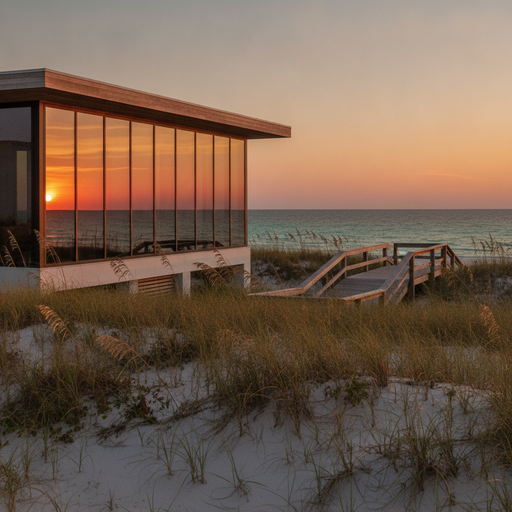

The Dream of the Shoreline: Why We Fall for Florida
Imagine waking up to the rhythmic sound of the Atlantic crashing against the shore or the gentle lap of the Gulf of Mexico. The sun peeks over the horizon, painting the sky in hues of violet and gold, and your first step of the day is onto soft, sugar-white sand. For many, owning a piece of the Florida coastline is the ultimate piacle of the American Dream. It is more than just a real estate transaction; it is an investment in a lifestyle defined by flip-flops, salt air, and endless summers.
SUBMIT YOUR DETAILS FOR
However, as anyone who has ever navigated the complex waters of Florida real estate will tell you, owning a beach property is not quite the same as buying a suburban home in the Midwest. There are unique laws, environmental factors, and financial considerations that can make the process feel like navigating a boat through a dense fog. But don’t let that deter you. With the right map and a clear understanding of the landscape, you can turn that dream of a coastal sanctuary into a rewarding reality.
The Line in the Sand: Understanding Property Rights
One of the most surprising things new buyers learn about Florida beach property is that you might not actually “own” the entire beach in front of your house. In Florida, the concept of the Mean High Water Line (MHWL) is king. Generally, the state owns the land seaward of this line—the “wet sand” where the waves wash up. This area is held in public trust for the enjoyment of everyone.
As a property owner, you typically own the “dry sand” up to that MHWL. However, even this can be complicated by something called “Customary Use.” In certain counties, the public has historically used the dry sand for recreation, and local ordinances may protect that right. Before you sign a contract, it is vital to understand exactly where your boundaries lie and what the local rules are regarding public access. Are people allowed to set up umbrellas right in your “backyard”? A specialized real estate attorney can help you decipher the specific deed restrictions and local laws for your chosen stretch of paradise.
Living with the Elements: The Reality of Coastal Maintenance
The very things we love about the beach—the sun, the salt, and the breeze—are also the greatest enemies of a home’s structure. When you own a Florida beach property, you are in a constant, albeit manageable, battle with nature. The salt air is incredibly corrosive; it can eat through standard metal fixtures, air conditioning condensers, and even certain types of paint within just a few years.
Successful owners embrace “coastal-grade” materials. This means investing in high-impact windows not just for hurricane protection, but for their superior sealing properties. It means choosing stainless steel or composite materials for outdoor hardware and ensuring your HVAC system is rinsed regularly to remove salt buildup. Maintenance isn’t just a chore here; it’s a preservation of your investment. Think of it as the price of admission for that breathtaking view. If you are buying a condo, much of this is handled by the association, but if you are looking at a single-family home, your weekend “honey-do” list will definitely include a bit more power-washing than you might be used to.
Insurance and the “H” Word: Protecting Your Investment
We can’t talk about Florida beach property without talking about hurricanes. While the risk is a reality, Florida has some of the strictest building codes in the nation, particularly the Coastal Construction Control Line (CCCL) requirements. Homes built to these standards are remarkably resilient.
However, insuring these properties requires a specific strategy. You won’t just have a standard homeowner’s policy. You will likely need separate windstorm insurance and, crucially, flood insurance through the National Flood Insurance Program (NFIP) or a private carrier. In recent years, the Florida insurance market has seen significant shifts. It is essential to get an insurance quote before you finish your due diligence period. Understanding the cost of your premiums is just as important as knowing your mortgage payment. A savvy buyer looks for homes with recent “wind mitigation” inspections, which can lead to substantial discounts on insurance premiums by proving the home has roof-to-wall attachments and water-resistant barriers.
The Investment Angle: Short-Term Rentals and ROI
Many people buy Florida beach property as a “second home” with the intent to rent it out when they aren’t using it. This can be a brilliant way to offset the costs of ownership. Florida is one of the top vacation destinations in the world, and beachfront rentals are always in high demand. Platforms like Airbnb and VRBO have made this easier than ever.
But beware: not every beach community welcomes short-term renters. Some municipalities have strict “minimum stay” requirements (e.g., you can only rent for 30 days or more), while others require specific licenses and the collection of tourist development taxes. If your goal is to generate income, you must verify the local zoning laws and, if applicable, the Homeowners Association (HOA) or Condo Association rules. Some buildings are “investor-friendly,” while others are strictly residential. Knowing the difference is the key to ensuring your “dream home” doesn’t become a “financial headache.”
Choosing Your Coast: Gulf vs. Atlantic
Florida offers two very different beach experiences, and your choice will dictate your lifestyle. The Atlantic Coast (East Coast) is known for its rolling surf, sunrise views, and generally deeper water. It’s perfect for surfers, sailors, and those who love a more energetic ocean. Think of the glamorous high-rises of Miami or the historic charm of St. Augustine.
On the other hand, the Gulf Coast (West Coast) is famous for its calm, turquoise waters, shallow shelves, and world-class sunsets. Places like Siesta Key, Clearwater, and Destin offer a more “relaxed” vibe, perfect for families and those who prefer paddleboarding over surfing. The sand on the Gulf side often feels like powdered sugar, while the Atlantic side tends to have more shells and coarser grains. Neither is “better,” but they are distinctly different. Spend a week in both before deciding where you want to plant your beach umbrella permanently.
Conclusion: Is Florida Beach Ownership Right for You?
Owning a beach property in Florida is a journey of the heart, but it must be guided by the head. It requires a bit more research, a bit more maintenance, and a bit more financial plaing than a standard home. Yet, the rewards are incomparable. It’s the feeling of the sand between your toes after a long day of work, the sound of the gulls in the morning, and the knowledge that you own a piece of one of the most beautiful places on Earth.
To succeed, surround yourself with a team of local experts—a realtor who specializes in waterfront properties, an inspector who knows what salt-spray damage looks like, and an insurance agent who understands the Florida market. With the right preparation, your Florida beach home won’t just be a property; it will be your sanctuary, your legacy, and your favorite place to be. The tide is coming in—are you ready to dive in?