
The Story Your Home Tells Before You Even Open the Front Door
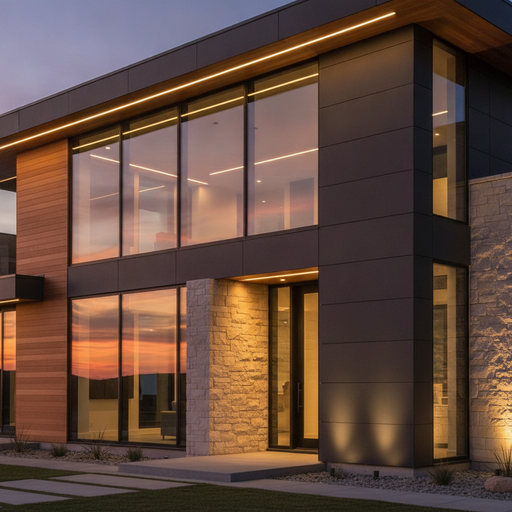
Imagine driving down a quiet, tree-lined street at dusk. You pass several houses that blend into the background, until suddenly, one catches your eye. It isn’t just the size or the architecture; it’s the texture. The way the warm glow of the interior lights bounces off the natural cedar planks, the rugged strength of the stone accents at the base, and the sleek, modern lines of matte metal trim. You realize then that a house isn’t just a shelter—it’s a narrative. The materials you choose for your custom home exterior are the “skin” of your story, and getting it right is the difference between a building and a masterpiece.
SUBMIT YOUR DETAILS FOR
Building a custom home is a journey of a thousand decisions, but few carry as much weight as the exterior cladding. This is the shield that protects your family from the elements and the face you present to the world. In this guide, we will walk through the most popular and durable custom home exterior materials, helping you navigate the balance between breathtaking aesthetics, long-term durability, and the maintenance reality of your dream home.
The Warmth of Wood: Timeless, Natural, and Living
There is an undeniable soul iatural wood. For many homeowners, nothing beats the organic beauty of Western Red Cedar or Redwood. When you choose wood for your custom home, you are choosing a material that evolves. Over time, depending on how you treat it, wood can maintain its rich honey hues or weather into a sophisticated silvery patina.
Wood is incredibly versatile. You can install it as traditional lap siding, vertical “board and batten” for a modern farmhouse look, or even sleek tongue-and-groove panels for a contemporary aesthetic. However, wood is a commitment. It requires regular staining or sealing to prevent rot, insects, and UV damage. If you are the type of person who finds joy in the ritual of home maintenance and craves that authentic, earthy coection, wood is your premier choice.
Shou Sugi Ban: The Charred Beauty
If you love wood but want something truly unique and surprisingly durable, consider Shou Sugi Ban. This ancient Japanese technique involves charring the surface of the wood. The result is a striking, deep black texture that is naturally resistant to fire, pests, and decay. It’s a bold choice for modern custom homes that want to stand out with an edge of sophisticated mystery.
The Strength of Stone: Building for the Centuries
If wood is the soul of a home, stone is its backbone. Using natural stone—like granite, limestone, or fieldstone—communicates a sense of permanence and prestige. It feels as though the house has grown out of the earth itself. Stone is virtually indestructible, fire-resistant, and requires almost zero maintenance once installed.
In custom home design, stone is often used as an accent to ground the structure. A stone skirt or a massive chimney stack can provide a visual “weight” that makes a home feel established. The challenge with natural stone is the cost and the labor; it is heavy and requires a skilled stonemason to install correctly. For those who want the look without the structural requirements of full-thickness stone, high-quality stone veneers offer a beautiful, lighter-weight alternative that captures the same rugged elegance.
Fiber Cement: The Modern Hero of Versatility
For many modern custom homeowners, fiber cement (often known by the brand name James Hardie) is the ultimate problem solver. Made from a mix of wood pulp, cement, sand, and water, this material is engineered to withstand the harshest climates—from scorching sun to freezing blizzards.
The beauty of fiber cement lies in its mimicry. It can be molded to look exactly like wood grain, smooth modern panels, or even traditional shingles. It holds paint significantly longer than wood, is non-combustible, and doesn’t rot. It is the “set it and forget it” option for those who want a high-end look without the high-end chores. Whether you are aiming for a classic Craftsman or a minimalist box-style home, fiber cement provides the canvas to make it happen.
Metal and Glass: The Industrial Chic Evolution
In the world of high-end custom architecture, metal is no longer reserved for warehouses. Zinc, copper, and architectural steel are making waves in residential design. Metal siding offers a sleek, industrial aesthetic that is incredibly durable and 100% recyclable. Zinc and copper are particularly fascinating because they develop a “self-healing” patina over time, protecting the metal underneath and changing colors as the years pass.
When paired with floor-to-ceiling glass walls, metal creates a seamless transition between the indoors and outdoors. This combination is a favorite for “Mid-Century Modern” or “Ultra-Modern” designs. While the initial investment can be high, the longevity—often lasting 50 to 100 years—makes it a sustainable and cost-effective choice in the long run.
The Art of the Mix: Creating Contrast and Depth
One of the biggest trends in custom home design today isn’t choosing just one material—it’s the art of the mix. Architects are increasingly using a “material palette” to define different volumes of a home. For example, the main living area might be wrapped in warm cedar, while the bedroom wing is clad in dark fiber cement, all tied together by a central stone feature.
Mixing materials adds visual interest and allows you to highlight specific architectural features. It also allows for budget optimization; you might choose to use expensive natural stone near the entryway where people interact with the house closely, and use more cost-effective materials like high-quality vinyl or fiber cement on the less visible sides of the home.
Factors to Consider Before You Sign Off
Before you fall in love with a specific look, there are three critical factors you must discuss with your builder:
- Climate Compatibility: Does your region face high humidity, salt spray from the ocean, or extreme temperature swings? Some materials, like certain woods, may struggle in tropical humidity, while others, like vinyl, might become brittle in extreme cold.
- Maintenance Reality: Be honest with yourself. Do you want to spend your weekends power-washing and restaining, or do you want to spend them enjoying your patio? Your choice of material dictates your lifestyle for the next decade.
- Local Building Codes and HOAs: Always check if your neighborhood has restrictions. Some Homeowners Associations have strict “approved material lists” that might limit your creativity.
Conclusion: Crafting Your Legacy
Choosing the exterior materials for your custom home is more than a construction decision; it’s an emotional one. It’s about how you feel when you pull into your driveway after a long day. It’s about the legacy of the structure you are leaving behind. Whether you choose the rustic charm of wood, the eternal strength of stone, or the crisp lines of modern metal, ensure it reflects your personality and respects the landscape it sits upon.
Your home is your sanctuary. By carefully selecting materials that balance beauty, durability, and function, you aren’t just building a house—you are crafting a landmark that will stand as a testament to your vision for generations to come. Take your time, touch the samples, look at them in different lights, and choose the “skin” that truly makes your house feel like home.