
The First Impression: Why Your Home’s Exterior Matters
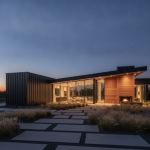
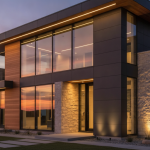
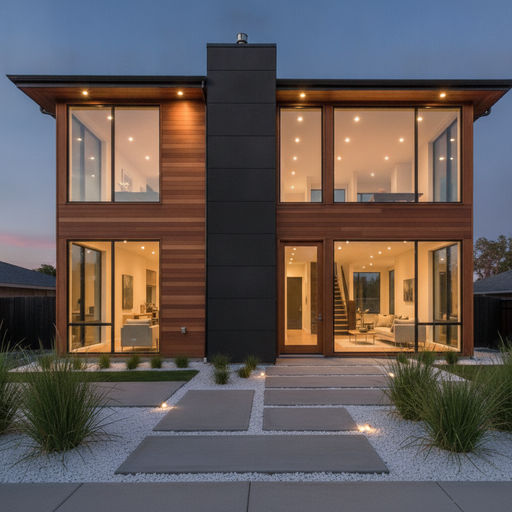
Imagine driving down a quiet suburban street as the sun begins to set. Most houses blend into a blur of beige siding and traditional shingles. But then, you see it—a structure that stops you in your tracks. It features sharp, clean lines, a sophisticated mix of natural wood and dark metal, and large windows that glow warmly from within. This is the power of a modern home exterior. It isn’t just a shell; it is a statement of identity and a prelude to the life lived inside.
Plaing a modern exterior is much like composing a symphony. Every element, from the choice of cladding to the placement of a single outdoor light, must work in harmony. If you are embarking on the journey of building or renovating your home, the exterior is where your story begins. In this guide, we will walk through the essential steps of plaing a modern facade that is not only visually stuing but also functional and timeless.
SUBMIT YOUR DETAILS FOR
Defining the Modern Aesthetic: More Than Just Straight Lines
Before you pick out paint swatches or look at stone samples, it is vital to understand what makes a home “modern.” Modernism in architecture is often confused with “contemporary,” but in the world of design, modernism refers to a specific philosophy: form follows function. Here are the core pillars you should keep in mind during your plaing phase:
Minimalism and Simplicity
The hallmark of modern design is the removal of uecessary ornamentation. You won’t find ornate crown moldings or decorative shutters here. Instead, the beauty comes from the purity of the shapes. Think of your home as a collection of geometric volumes—rectangles, squares, and planes—that intersect in interesting ways.
Emphasis on Horizontal and Vertical Lines
Modern homes often emphasize strong horizontal or vertical lines. This can be achieved through long rooflines, stacked window configurations, or the direction in which siding is installed. These lines help ground the house in its environment, making it feel stable and intentional.
The Coection to Nature
A truly modern home seeks to blur the line between indoors and outdoors. This is achieved through expansive glass walls, pocket doors, and transitional spaces like covered patios that feel like an extension of the living room. When plaing your exterior, consider how the house interacts with the landscape around it.
Selecting the Right Materials: A Textural Symphony
One of the most exciting parts of modern home plaing is the “material palette.” Unlike traditional homes that might use a single type of brick or siding, modern homes thrive on contrast. Mixing textures adds depth and prevents a minimalist design from feeling “cold.”
- Natural Wood: Cedar, redwood, or thermally modified ash are popular choices. Wood adds a much-needed organic warmth to the sharp angles of a modern home. It is often used as an accent in “soffits” (the underside of roof overhangs) or as focal point cladding near the entrance.
- Metal Accents: Standing seam metal roofing, black steel beams, or aluminum panels provide an industrial edge. These materials are incredibly durable and require very little maintenance, making them favorites for modern homeowners.
- Fiber Cement and Concrete: For a sleek, monolithic look, large-format fiber cement panels or poured concrete walls are ideal. They offer a smooth surface that acts as a perfect canvas for shadows and light.
- Glass: In modern design, glass is treated as a building material rather than just a window. Floor-to-ceiling glass allows the exterior to “breathe” and provides a glimpse of the interior’s aesthetic.
Mastering the Color Palette: The Power of Neutrals
When it comes to modern exteriors, the color palette is usually rooted in the “New Neutrals.” However, neutral doesn’t have to mean boring. The key is to use value—the lightness or darkness of a color—to create visual interest.
Charcoal gray, matte black, and deep navy are frequently used for window frames and trim to provide a “frame” for the house. These dark tones are often contrasted with lighter shades like off-white, light gray, or the natural tan of wood. A popular modern trend is the “monochromatic” look, where different shades of the same color (such as various grays) are used to highlight different architectural layers of the home.
Outdoor Lighting: Setting the Mood After Sunset
Lighting is often an afterthought, but in modern plaing, it should be a priority. Because modern homes have such distinct shapes, lighting becomes a tool to “sculpt” the house at night. You aren’t just lighting for safety; you are lighting for drama.
Consider up-lighting to highlight the texture of a stone wall or the height of a vertical column. Path lighting should be recessed or minimalist, guiding guests to the door without cluttering the landscape. One of the most effective modern techniques is interior-to-exterior glow, where large windows allow the home’s internal light to illuminate the surrounding deck or patio, creating a seamless transition.
Sustainable and Smart Features: Plaing for the Future
A modern home exterior should be as smart as it is beautiful. Sustainability is no longer an optional “extra”; it is a core component of modern living. During your plaing, consider integrating these features:
Solar Integration
Modern rooflines, especially flat or shed roofs, are perfect for solar panels. Many modern designs now incorporate “solar shingles” or position panels in a way that they become a design element rather than an eyesore.
Smart Security and Access
The modern entryway is often “keyless.” Integrated smart locks, hidden doorbell cameras, and motion-activated lighting can be built directly into the exterior’s architecture, maintaining that clean, minimalist look while providing top-tier security.
Rainwater Harvesting
Hidden gutter systems and rain chains are elegant ways to manage water. You can plan for underground cisterns that collect rainwater to be used for your landscaping, reducing your environmental footprint.
Landscaping: The Finishing Touch
You could have the most beautiful modern home in the world, but if the landscaping is traditional or messy, the effect is lost. Modern landscaping should follow the same principles as the house: structure, order, and simplicity.
Instead of cluttered flower beds, think about “hardscaping.” This involves using concrete pavers, gravel, and large stones to create clear paths and zones. For plants, choose varieties with architectural shapes, such as ornamental grasses, succulents, or boxwood hedges. Use “mass planting”—planting many of the same species together—to create a clean, intentional look that doesn’t distract from the home’s architecture.
The Plaing Process: From Vision to Reality
Now that you have the elements in mind, how do you actually start? The process can be overwhelming, so it is best to break it down into a checklist:
- Identify Your “Why”: Do you want a home that feels like a private fortress, or one that is open and welcoming? Your goals will dictate the amount of glass and the types of materials you choose.
- Set a Realistic Budget: Modern materials like specialized glass and metal cladding can be more expensive than traditional vinyl or brick. Allocate your funds to the “high impact” areas, like the front entrance and large windows.
- Hire the Right Team: Not every contractor is comfortable with modern details. Look for architects and builders who have a portfolio of clean-lined, modern work. Precision is key in modern design; there is no “trim” to hide mistakes!
- Consider the Neighborhood: While you want your home to stand out, it should still respect the scale and “rhythm” of the street. Sometimes, using a familiar material like brick but in a modern, long-format shape is the perfect way to bridge the gap.
Final Thoughts
Plaing a modern home exterior is a journey of editing. It is about choosing what is essential and executing those elements with perfection. It is the art of saying more with less. When you focus on quality materials, strong lines, and a thoughtful coection to the environment, you create more than just a house. You create a sanctuary that feels current today and will remain a classic for decades to come.
Whether you are sketching your dream home on a napkin or working with a professional architect, remember that the exterior is the “face” you present to the world. Make it bold, make it clean, and most importantly, make it yours.