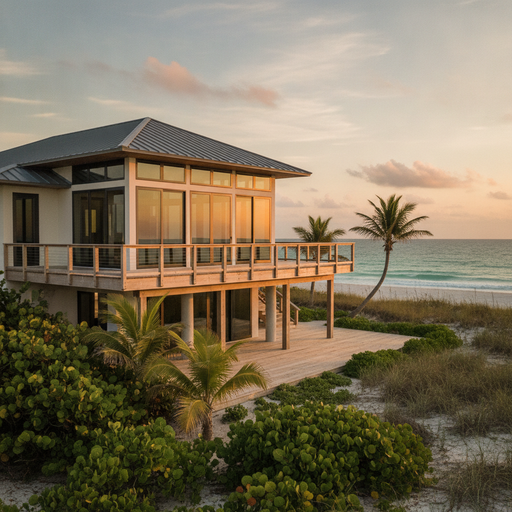

Imagine waking up to the rhythmic sound of waves crashing against the shore, the scent of salty air wafting through your window, and the warm Florida sun painting the sky in hues of orange and pink. For many, owning a beach home in the Sunshine State is the ultimate dream. It represents a life of leisure, sunset walks, and a permanent escape from the mundane. However, as any seasoned coastal resident will tell you, the “Salt Life” is as much about responsibility as it is about relaxation.
SUBMIT YOUR DETAILS FOR
I remember the first time I stepped into a charming stilt house in Aa Maria Island. The floors were slightly weathered by sand, and the breeze coming off the Gulf was intoxicating. But behind that beauty lies a unique set of challenges that inland homeowners never have to face. If you are considering taking the plunge into Florida beach home ownership, you need to go in with your eyes wide open. From the corrosive nature of the ocean to the complexities of insurance, here is everything you need to know to make your coastal dream a sustainable reality.
The Hidden Cost of the “Salt Tax”
In the world of real estate, we often talk about property taxes and HOA fees. But in Florida, beach homeowners pay what I like to call the “Salt Tax.” This isn’t a government fee; it is the physical toll the ocean takes on your property. Salt air is incredibly corrosive. It eats away at metal, peels paint, and can even compromise the structural integrity of certain materials over time.
When you own a home within a mile of the ocean, maintenance becomes a weekly ritual rather than a seasonal chore. Your air conditioning unit, for instance, will likely have a shorter lifespan than one in Orlando. The salt accumulates on the coils, causing them to corrode and fail prematurely. A pro tip? Rinse your outdoor AC condenser with fresh water regularly and consider purchasing units with special “coastal coatings” designed to withstand the brine. Similarly, your door hinges, outdoor lighting fixtures, and even your patio furniture should be made of high-grade stainless steel or composite materials to prevent them from turning into piles of rust within a year.
Building for the Storm: Understanding Resilience
In Florida, hurricanes aren’t just a possibility; they are a part of the geographical contract. If you are looking at older beach bungalows, they may have “character,” but they might not have the structural fortitude required by modern building codes. Since the early 2000s, Florida has implemented some of the strictest building codes in the United States to combat wind and water damage.
When shopping for a home, look for features like impact-resistant windows and doors. These are non-negotiable for coastal living. Not only do they protect your home from flying debris during a storm, but they also offer better insulation and noise reduction. Furthermore, pay close attention to the roof. A metal roof or a high-rated shingle roof with hurricane straps (metal coectors that tie the roof to the walls) can significantly lower your insurance premiums and provide peace of mind when the Atlantic or Gulf gets restless.
Navigating the Insurance Labyrinth
Let’s talk about the elephant in the room: insurance. Owning a beach home in Florida requires a sophisticated approach to coverage. A standard homeowners policy usually won’t cut it. You will likely need three separate types of coverage: regular homeowners insurance (for fire and theft), windstorm insurance (specifically for hurricane-force winds), and flood insurance.
It is a common misconception that if you aren’t in a “high-risk” zone, you don’t need flood insurance. In Florida, almost everywhere is a flood zone to some degree. For beach properties, flood insurance is often mandated by lenders. Be sure to check the Elevation Certificate of the property. If the living area is below the “Base Flood Elevation” set by FEMA, your premiums could be staggering. Understanding the “50% Rule” is also vital—if a home is damaged and the cost of repair exceeds 50% of its market value, local regulations may require you to bring the entire structure up to current flood-elevation codes, which often means elevating the whole house on pilings.
The Importance of Native Landscaping
Everyone envisions a lush, tropical garden surrounding their beach house. However, trying to maintain a pristine manicured lawn on the coast is often a losing battle. The sandy soil doesn’t hold nutrients well, and the salt spray will kill most traditional grass and garden plants.
The secret to a beautiful, low-maintenance coastal yard is native landscaping. Plants like Sea Oats, Saw Palmetto, and Sea Grapes are evolved to thrive in salty, sandy conditions. They require less water, no pesticides, and their deep root systems help prevent soil erosion—a major plus for beachfront lots. Embracing “Xeriscaping” (landscaping that reduces the need for irrigation) not only saves you money on your water bill but also ensures your home looks like it belongs in its natural environment.
Short-Term Rental Potential vs. Personal Sanctuary
Many Florida beach homeowners look to offset their costs by listing their property on platforms like Airbnb or VRBO. While this can be a lucrative venture, especially in hotspots like Destin or Siesta Key, it comes with its own set of rules. Before you buy, check the local municipal ordinances and HOA (Homeowners Association) bylaws.
Some Florida communities have strict bans on rentals shorter than 30 days, while others are very “pro-vacation rental.” If you do decide to rent, remember that the wear and tear on a beach house increases exponentially with guests. Sand gets into the carpet, sunscreen stains the upholstery, and the “Salt Tax” we mentioned earlier becomes even more expensive. If you want a quiet sanctuary, look for “deed-restricted” communities that forbid short-term rentals to ensure you don’t have a rotating door of spring breakers as neighbors.
Location: The Coastal Construction Control Line (CCCL)
Where exactly you build or buy on the beach matters legally. Florida has something called the Coastal Construction Control Line (CCCL). This is a line of jurisdiction that protects the beach and dune system. If your property falls seaward of this line, you are subject to much stricter environmental and construction regulations. This is designed to protect sea turtle nesting sites and ensure that human structures don’t interfere with natural sand movement. If you plan on remodeling or adding a pool to a beachfront home, always check if you need a CCCL permit from the Florida Department of Environmental Protection.
Conclusion: Is the Dream Worth It?
After hearing about salt corrosion, hurricane codes, and complex insurance, you might be wondering if owning a Florida beach home is worth the headache. The answer, for those who love the sea, is a resounding yes. There is a certain magic in the Florida coast that you simply can’t find anywhere else. It’s the feeling of sand between your toes after a long day of work, the tight-knit community of locals who look out for one another, and the unparalleled beauty of the horizon.
Owning a beach home isn’t just about buying a piece of property; it’s about adopting a different pace of life. It requires a mindset shift from “set it and forget it” to active stewardship. If you are willing to put in the work, respect the power of the ocean, and prepare for the elements, a Florida beach home can be the greatest investment in your happiness you will ever make. Just remember: keep your windows shut during a storm, wash your AC unit, and never take a Florida sunset for granted.