
The First Impression: Why Your Home’s Exterior Tells a Story
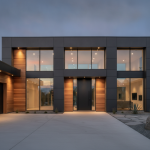
Imagine walking down a quiet suburban street where every house looks nearly identical. The same beige siding, the same rectangular windows, and the same predictable rooflines. Then, you turn a corner and see a house that stops you in your tracks. It doesn’t just sit on the lot; it belongs there. Its walls are a rich, charred timber that glows in the sunset, or perhaps a sleek, industrial-cool zinc that reflects the sky. That “wow” factor isn’t an accident. It is the result of carefully chosen custom exterior cladding.
SUBMIT YOUR DETAILS FOR
Choosing the right cladding for your home is much like choosing the perfect outfit for a monumental occasion. It needs to look spectacular, but it also needs to fit the environment, protect you from the elements, and last for years without losing its charm. Cladding is the protective skin of your building. It is the first line of defense against driving rain, scorching sun, and biting winds. But beyond utility, it is your greatest architectural tool for expressing personality. In this guide, we will explore the world of custom exterior cladding materials to help you find the perfect match for your dream project.
The Timeless Elegance of Natural Wood Cladding
There is something inherently comforting about wood. It coects us to nature and adds a warmth that synthetic materials often struggle to replicate. When it comes to custom cladding, timber offers a versatility that few other materials can match. From the rustic charm of Western Red Cedar to the refined durability of European Larch, wood tells a story of organic growth and timeless beauty.
One of the most exciting trends in custom wood cladding is Shou Sugi Ban—an ancient Japanese technique of charring timber. This process doesn’t just create a stuing, deep-black aesthetic; it also makes the wood resistant to fire, pests, and rot. Imagine a modern home tucked into a forest, its blackened walls providing a sharp, sophisticated contrast to the vibrant green canopy. That is the power of custom timber.
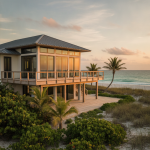
However, wood requires a commitment. Depending on the species and the finish, you may need to oil or stain it every few years to maintain its color. If you prefer the “silver fox” look, you can leave certain woods like Cedar untreated, allowing them to weather naturally into a beautiful grey patina that blends seamlessly into coastal or woodland environments.
The Industrial Edge: Metal Cladding Systems
If wood is the poet of the architectural world, metal is the engineer. Sleek, sharp, and incredibly durable, metal cladding has moved from industrial warehouses to high-end residential masterpieces. Aluminum, zinc, copper, and weathering steel (Corten) are the frontruers in this category, each offering a unique visual language.
Aluminum is the versatile favorite. It is lightweight, resistant to corrosion, and can be powder-coated in almost any color imaginable. For those seeking a truly custom look, aluminum panels can be laser-cut with intricate patterns, allowing light to filter through in a dance of shadows. Zinc and copper, on the other hand, are “living” materials. Over time, copper develops a signature green patina, while zinc turns a soft, matte grey. They evolve with your home, recording the passage of time on their surfaces.
Then there is Corten steel. Originally used for bridges and shipping containers, its rusted orange hue has become a staple of modern architecture. It provides a rugged, earthy texture that looks particularly striking when paired with glass and concrete. Metal cladding is virtually maintenance-free and can last for over 50 years, making it a wise investment for those who value longevity.
The Modern Chameleon: Fiber Cement and Composites
Not everyone has the budget for solid copper or rare hardwoods, and that is where fiber cement and composite materials shine. These are the “chameleons” of the cladding world. Made from a mixture of cement, sand, and cellulose fibers, fiber cement can be molded to mimic the texture of natural wood grain, smooth stone, or even industrial concrete.
The beauty of fiber cement lies in its resilience. It doesn’t rot, it isn’t tasty to termites, and it holds paint significantly longer than wood. For a homeowner who wants the look of traditional lap siding without the weekend chores of sanding and painting, this is the go-to solution. High-quality composites take this a step further by using recycled plastics and wood fibers to create a product that is both eco-friendly and incredibly tough against the sun’s UV rays.
Stone and Brick: The Weight of History
For those who want their home to feel like a fortress—a permanent, unshakeable sanctuary—stone and brick remain the gold standard. While traditional heavy masonry is still popular, custom stone cladding often utilizes “stone slips” or thin veneers. This allows you to achieve the look of a solid stone wall without the massive structural requirements and costs of full-sized boulders.
Natural stone like limestone, slate, or granite offers a texture that is tactile and rich. Every piece is unique, ensuring that your home’s exterior is literally one of a kind. Brick, too, has seen a modern resurgence. Designers are moving away from standard red blocks and experimenting with “linear bricks”—long, thin units that create a sleek, horizontal emphasis. By changing the mortar color or the bonding pattern, you can take a traditional material and make it look avant-garde.
High-Tech and Sustainable Iovations
As we move toward a more sustainable future, custom cladding is becoming “smarter.” We are seeing the rise of GRC (Glass Fibre Reinforced Concrete), which allows for incredibly thin, lightweight, yet strong panels that can be cast into complex 3D shapes. There are also terracotta rainscreen systems that provide exceptional thermal insulation while giving the building a warm, Mediterranean soul.
Perhaps the most “sci-fi” option is bio-cladding or living walls. While high-maintenance, incorporating vertical gardens into your exterior cladding doesn’t just look breathtaking; it also purifies the air and provides natural cooling for the home. For the eco-conscious homeowner, these materials turn a house into a living part of the local ecosystem.
How to Choose: Climate, Budget, and Context
With so many options, how do you decide? Start by looking at your environment. If you live in a coastal area, salt spray will eat through certain metals, making high-grade aluminum or treated timber a better choice. If you live in a wildfire-prone region, non-combustible materials like fiber cement or metal are essential.
Next, consider the “architectural conversation.” Does your home sit in a historic neighborhood? Perhaps a modern twist on brick is appropriate. Is it a minimalist cube in the desert? Zinc or smooth render might be the answer. Finally, think about your lifestyle. Do you enjoy the process of maintaining and “caring” for your home’s surfaces, or do you want a material that you can install and forget about for the next three decades?
Conclusion: Crafting Your Legacy
Custom exterior cladding is more than just a finishing touch; it is the soul of your home’s design. It defines how the light hits your walls at noon, how the rain sounds against the surface, and how you feel every time you pull into your driveway. Whether you choose the organic warmth of wood, the sharp precision of metal, or the enduring strength of stone, your choice will stand as a testament to your style for years to come.
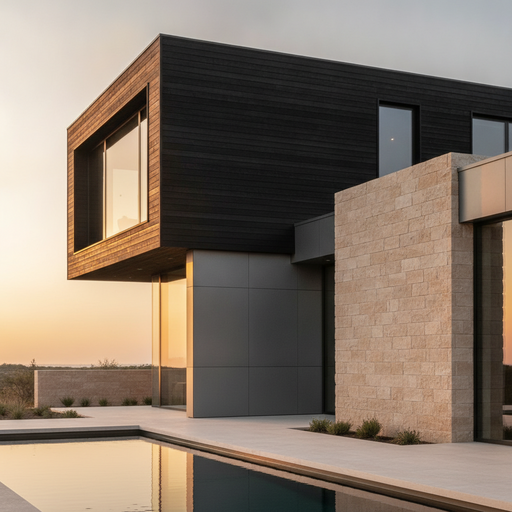
Don’t be afraid to mix and match. Some of the most beautiful homes use a “palette” of materials—perhaps a stone base to ground the building, topped with warm timber accents to soften the lines. Your home is your canvas. Choose your materials wisely, and you will create a masterpiece that doesn’t just house a family, but inspires everyone who passes by.