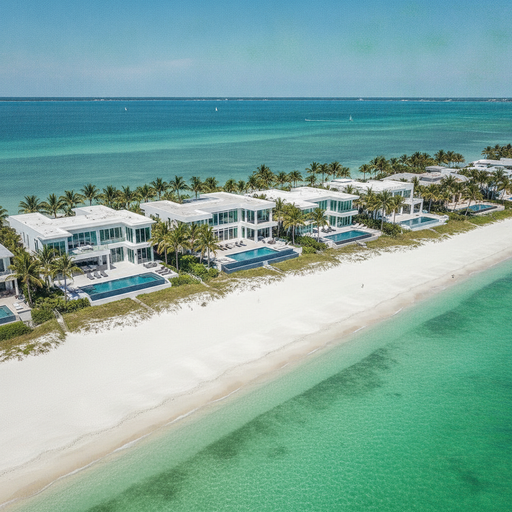

The Siren Call of the Sunshine State
Imagine waking up to the rhythmic sound of Atlantic waves crashing against the shore or the gentle lap of the Gulf of Mexico under a fiery orange sunrise. For many, owning a piece of Florida’s coastline isn’t just a financial goal; it is the ultimate dream of a lifestyle defined by salt air and sunshine. But beyond the romantic allure of a beachfront bungalow lies a complex, high-stakes market that offers some of the most lucrative investment opportunities in the United States.
SUBMIT YOUR DETAILS FOR
Florida’s real estate market has always been resilient, but recent years have transformed the landscape. From the luxury high-rises of Miami to the quiet, quartz-sand retreats of the Panhandle, the “Sunshine State” is experiencing a unique convergence of high demand, shifting demographics, and a thriving short-term rental market. Whether you are a seasoned investor looking for high yields or a family searching for a legacy vacation home, understanding the current Florida beach real estate climate is essential to making a sound decision.
Why Florida Remains a Magnet for Investors
There is a reason why Florida consistently tops the list for real estate investment. First and foremost is the favorable tax climate. With no state income tax, the state attracts wealthy retirees and remote workers alike, keeping the demand for housing consistently high. Furthermore, the state’s tourism industry is a juggernaut that shows no signs of slowing down. Millions of visitors flock to Florida every year, creating a perpetual need for short-term rental accommodations.
When you invest in Florida beach real estate, you aren’t just buying land; you are buying into an infrastructure built for growth. Florida has invested heavily in its airports, highways, and entertainment hubs, ensuring that even the more secluded beach towns remain accessible. This coectivity helps maintain property values and ensures that your investment remains liquid should you choose to sell in the future.
The Gulf Coast vs. The Atlantic Coast: Choosing Your Vibe
Florida’s geography offers two distinct coastal experiences, and choosing between them is the first major step for any prospective buyer. The Gulf Coast, often referred to as the “Emerald Coast” in the north and the “Cultural Coast” in the south, is famous for its calm, turquoise waters and powdery white sand. Cities like Sarasota, Naples, and Clearwater offer a sophisticated, slightly slower pace of life. These areas are incredibly popular with families and retirees, making them ideal for long-term appreciation and upscale seasonal rentals.
On the other hand, the Atlantic Coast offers a more energetic, “big city” feel. From the luxury and nightlife of South Beach in Miami to the historic charm of St. Augustine and the surfing culture of Cocoa Beach, the Atlantic side is diverse. This coast often sees higher turnover and a younger demographic of tourists, which can be a boon for short-term rental owners who want to maximize occupancy rates through platforms like Airbnb and VRBO.
The Rise of the “Hidden Gems”: Emerging Markets
While everyone knows about Miami and Palm Beach, savvy investors are currently looking at Florida’s emerging markets—the “hidden gems” where entry prices are lower but growth potential is high. Areas like New Smyrna Beach, located just south of Daytona, offer a laid-back atmosphere with significant price appreciation. Similarly, the “Forgotten Coast” in the Panhandle, including places like Port St. Joe and Cape San Blas, provides a glimpse into “Old Florida” with pristine natural beauty and less competition from large developers.
Another area to watch is the Space Coast. With the revitalization of the American space program and the growth of private companies like SpaceX and Blue Origin, towns like Titusville and Melbourne are seeing an influx of high-earning professionals. This creates a unique opportunity for “bleisure” real estate—properties that cater to both business travelers and vacationers seeking a coastal escape.
Understanding the Rental Powerhouse: Short-Term vs. Long-Term
One of the primary drivers of Florida beach real estate is the potential for rental income. However, the strategy you choose will depend heavily on local regulations. Florida has a patchwork of short-term rental laws that vary significantly from one county to the next. For instance, some areas in the Keys have strict minimum-stay requirements, while places like Kissimmee or certain parts of Panama City Beach are extremely investor-friendly.
If you are looking for steady, hands-off income, long-term rentals in coastal communities are a great bet, especially as more people relocate to Florida permanently. However, if you are willing to manage the higher turnover (or hire a management company), short-term vacation rentals often yield significantly higher monthly returns, particularly during the peak winter months when “Snowbirds” flee the north for the Florida warmth.
Navigating the Challenges: Insurance and Environment
It would be remiss to talk about Florida real estate without addressing the challenges. Being a peninsula, Florida is susceptible to tropical storms and rising sea levels. This has led to a shifting insurance market. When looking at beach real estate, you must factor in the cost of flood and wind insurance, which has risen in recent years.
However, many new developments are being built with these challenges in mind. Modern coastal construction codes in Florida are among the strictest in the world. Properties built within the last decade often feature impact-resistant windows, elevated foundations, and reinforced roofing. Investing in a newer build, or a property that has been recently retrofitted, can significantly lower your insurance premiums and provide peace of mind.
The Importance of Professional Guidance
Florida’s beach real estate market moves fast. A property that hits the market on Friday could be under contract by Sunday. This is why having a local expert is non-negotiable. You need a realtor who understands the specific nuances of “beachfront” versus “beach access,” the intricacies of local HOA (Homeowners Association) rules, and the current state of local rental ordinances.
Furthermore, working with a local lender who understands the Florida market can make the closing process much smoother. They are familiar with the specific requirements for coastal properties and can help you navigate the financial side of the investment with ease.
Conclusion: Seizing the Moment
The opportunity to own Florida beach real estate is more than just a transaction; it is an entry into one of the most vibrant economies and beautiful landscapes in the world. While the market requires careful navigation and a keen eye for detail, the rewards—both financial and personal—are immense. Whether it’s the tax benefits, the rental income, or simply the joy of having a place to call home on the sand, Florida’s coastline remains a premier destination for those looking to invest in their future.
As the sun sets over the Gulf or rises over the Atlantic, the value of these coastal properties continues to endure. By doing your research, understanding the local markets, and preparing for the unique aspects of coastal ownership, you can turn the dream of Florida beach living into a profitable reality. The sand is waiting—are you ready to take the leap?